Technology
How Modular Note-Taking Setups Built Around Bidirectional Linking Are Helping Non-Technical Users Replace Scattered Folder Hierarchies With a Single Searchable Thinking System
Bidirectional linking tools like Obsidian and Logseq are helping everyday users replace tangled folder systems with a single connected thinking environment that gets more useful over time.
By Robert Kim | Nov 07, 2026
How Selective Sync Controls in Cloud Storage Apps Are Letting Users Reclaim Local Drive Space Without Losing Access to Files They Rarely Open
Selective sync controls in apps like Dropbox, OneDrive, and Google Drive let you keep files accessible in the cloud while reclaiming significant local drive space — here's how to use them effectively.
By Marcus Chen | Nov 04, 2026
How Permission-Scoped Browser Profiles Are Letting Privacy-Focused Users Separate Work, Shopping, and Personal Browsing Without Installing Multiple Browsers
Permission-scoped browser profiles let users create isolated browsing environments within a single browser, keeping work, shopping, and personal activity separated without the hassle of running multiple browsers.
By Chris Martinez | Nov 01, 2026
How Progressive Web Apps Are Quietly Replacing Native Mobile Installs for Everyday Utility Tools on Devices With Limited Storage
Progressive Web Apps are increasingly replacing native mobile installs for everyday utility tools, offering comparable functionality without the storage demands that burden budget and entry-level devices worldwide.
By Jennifer Walsh | Oct 29, 2026
How Read-Later Apps That Surface Saved Articles Based on Mood Tags Are Replacing Bookmark Folders for People With Large Unread Content Backlogs
Mood-tagged read-later apps are changing how heavy readers manage large unread content backlogs by surfacing saved articles based on context and energy level rather than category folders.
By Jennifer Walsh | Oct 25, 2026

How AI-Generated Alt Text Tools Embedded in Content Platforms Are Quietly Closing the Accessibility Gap for Visually Impaired Users Without Requiring Manual Input
AI-powered alt text tools embedded in platforms like WordPress, Shopify, and Canva are automatically describing images for visually impaired users — no manual input required. Here's how the technology works and where it still falls short.
By Marcus Chen | Oct 21, 2026

How Spatial Audio Features in Wireless Earbuds Are Quietly Changing the Way People Experience Podcasts, Calls, and Music During Commutes
Spatial audio has moved from home theaters into everyday wireless earbuds, and it's quietly reshaping how commuters experience podcasts, calls, and music during their daily rides.
By Marcus Chen | Oct 18, 2026

How Terminal-Based Productivity Tools Are Attracting Non-Developer Users Who Want Faster Workflows Without Bloated Desktop Apps
Terminal-based productivity tools are drawing in writers, researchers, and small business owners who want faster, lighter workflows without the overhead of bloated desktop applications.
By Jennifer Walsh | Oct 15, 2026

How Asynchronous Voice Messaging Apps Are Replacing Real-Time Calls for Distributed Teams Who Need Context Without Scheduling Overhead
Asynchronous voice messaging apps like Loom and Yac are giving distributed teams a way to share context-rich audio without the scheduling overhead of real-time calls. Here's how the shift is happening and what to consider before adopting it.
By Chris Martinez | Oct 12, 2026

How Ambient Computing Devices Designed to Stay Peripheral Are Quietly Shifting Attention Management Away From Screens Entirely
Ambient computing devices designed to stay in the background are quietly changing how people interact with information — reducing screen dependency without sacrificing access to what matters.
By Sarah Mitchell | Oct 09, 2026

How Modular Smart Display Hubs Are Replacing the Phone, Timer, Recipe App, and Speaker in the Kitchen
Modular smart display hubs are consolidating timers, recipes, music, and voice control into one kitchen surface — and replacing the cluttered phone-and-speaker setup most home cooks currently rely on.
By Marcus Chen | Oct 06, 2026

How Background App Refresh Controls on Mobile Operating Systems Are Quietly Extending Battery Life Without Requiring Any Hardware Upgrades
Background App Refresh controls built into iOS and Android are giving users a meaningful way to extend battery life on existing devices — no hardware upgrade required. Here's how these settings work and why they matter.
By Chris Martinez | Oct 01, 2026

How Gesture-Based Launcher Apps on Android Are Letting Users Run Their Entire Phone Without a Home Screen or App Drawer
Gesture-based launcher apps on Android are giving users a way to open and control every app through swipes and tap zones — no icon grid, no app drawer, no visual clutter required.
By Chris Martinez | Sep 28, 2026

How Browser-Native Translation Tools Have Quietly Surpassed Third-Party Extensions for Everyday Multilingual Research Without Any Setup
Browser-native translation tools in Chrome, Safari, and Edge have closed the gap with third-party extensions, offering accurate, setup-free multilingual research for everyday travel and lifestyle needs.
By Marcus Chen | Sep 25, 2026
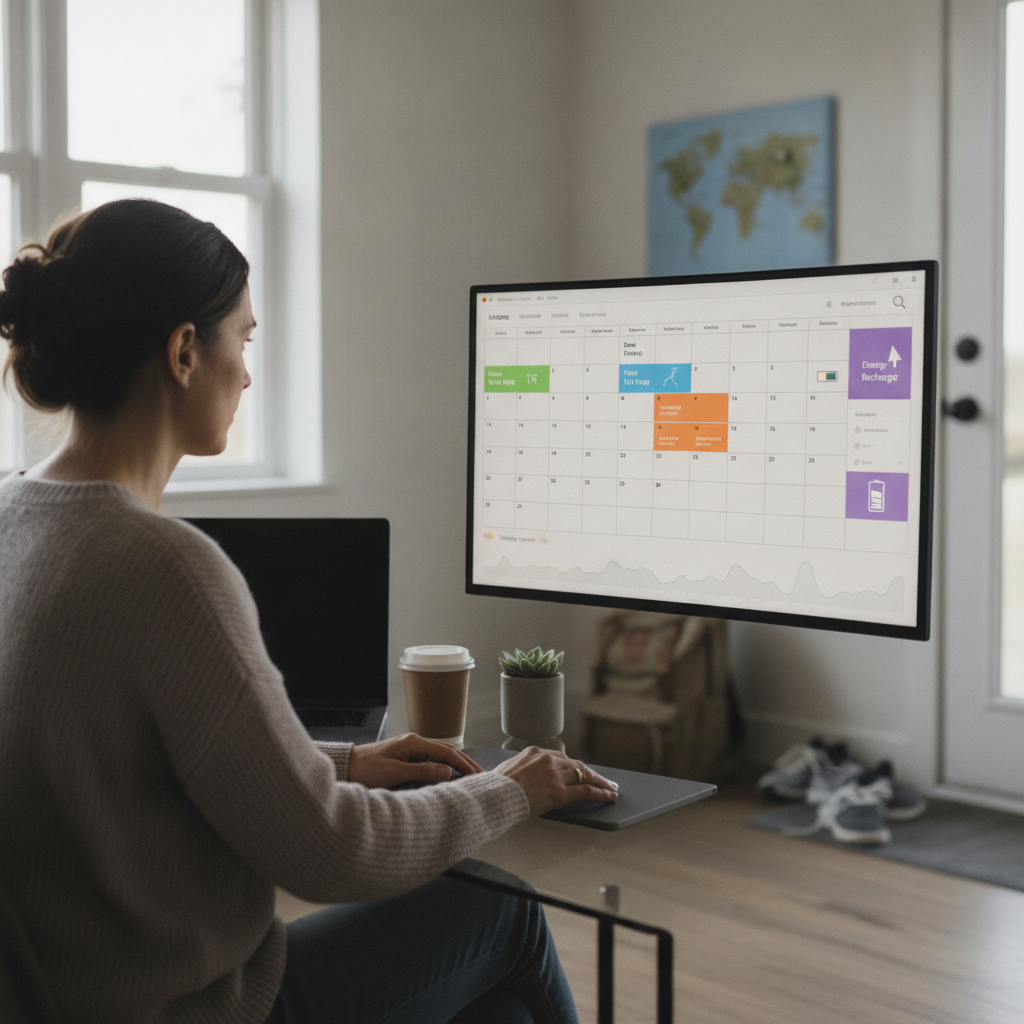
How Context-Aware Calendar Apps That Analyze Travel Time and Energy Patterns Are Replacing Static Scheduling for Hybrid Workers
Context-aware calendar apps like Reclaim.ai and Motion are replacing static time-blocking for hybrid workers by analyzing commute time, energy patterns, and shifting priorities in real time.
By Chris Martinez | Sep 22, 2026

How E-Ink Secondary Displays Used as Persistent Dashboard Screens Are Reducing Notification Glance Fatigue for Desk Workers
E-ink secondary displays configured as persistent dashboard screens are helping desk workers reduce notification glance fatigue by surfacing calm, always-visible context without reactive interruptions.
By Emily Rodriguez | Sep 19, 2026

How Tab Management Extensions That Group and Suspend Inactive Browser Sessions Are Recovering Meaningful Memory and Focus for People With Heavy Research Workflows
Tab management extensions that group related sessions and suspend inactive tabs are helping heavy researchers reclaim both computer memory and mental focus — without losing access to their work.
By Marcus Chen | Sep 13, 2026

How Adaptive Learning Algorithms Inside Modern Language Apps Are Personalizing Vocabulary Repetition Intervals Far Beyond What Traditional Flashcard Systems Could Achieve
Modern language apps like Duolingo and Babbel use adaptive algorithms that personalize vocabulary review intervals based on individual memory behavior — a precision that traditional flashcard systems were never designed to achieve.
By Chris Martinez | Sep 07, 2026

How Vector-Based Personal Knowledge Bases Are Letting Non-Technical Users Search Their Own Notes the Way Search Engines Index the Web
Vector-based personal knowledge bases are giving everyday users a search experience that understands meaning rather than just matching keywords — transforming how people retrieve their own notes, ideas, and captured information.
By David Park | Sep 04, 2026

How Focus-Aware Notification Scheduling Features in Modern Operating Systems Are Quietly Reducing Interruption Rates for Remote Workers
Focus-aware notification scheduling built into macOS, Windows 11, and Android is giving remote workers something offices used to provide for free: structured protection from constant interruption.
By Marcus Chen | Aug 31, 2026

How Clipboard Manager Apps That Persist and Categorize Copied Content Are Quietly Eliminating One of the Most Repetitive Friction Points in Daily Computer Work
Clipboard manager apps that save and organize copied content are removing one of the most overlooked sources of daily friction for computer users across every profession. Here's how they work and why adoption is growing steadily.
By Robert Kim | Aug 28, 2026

How Open-Source Password Managers Stored Locally Compare to Cloud-Synced Alternatives for People Who Prioritize Data Control
Local open-source password managers and cloud-synced alternatives offer fundamentally different trade-offs around data control, convenience, and security. Here's how they compare for users who treat privacy as a priority.
By Jennifer Walsh | Aug 25, 2026

How Subscription Tracker Apps That Visualize Renewal Calendars Are Helping People Spot and Cut Forgotten Digital Expenses
Subscription tracker apps with visual renewal calendars are helping people identify and cancel forgotten recurring charges by making billing patterns impossible to ignore at a glance.
By Chris Martinez | Aug 22, 2026
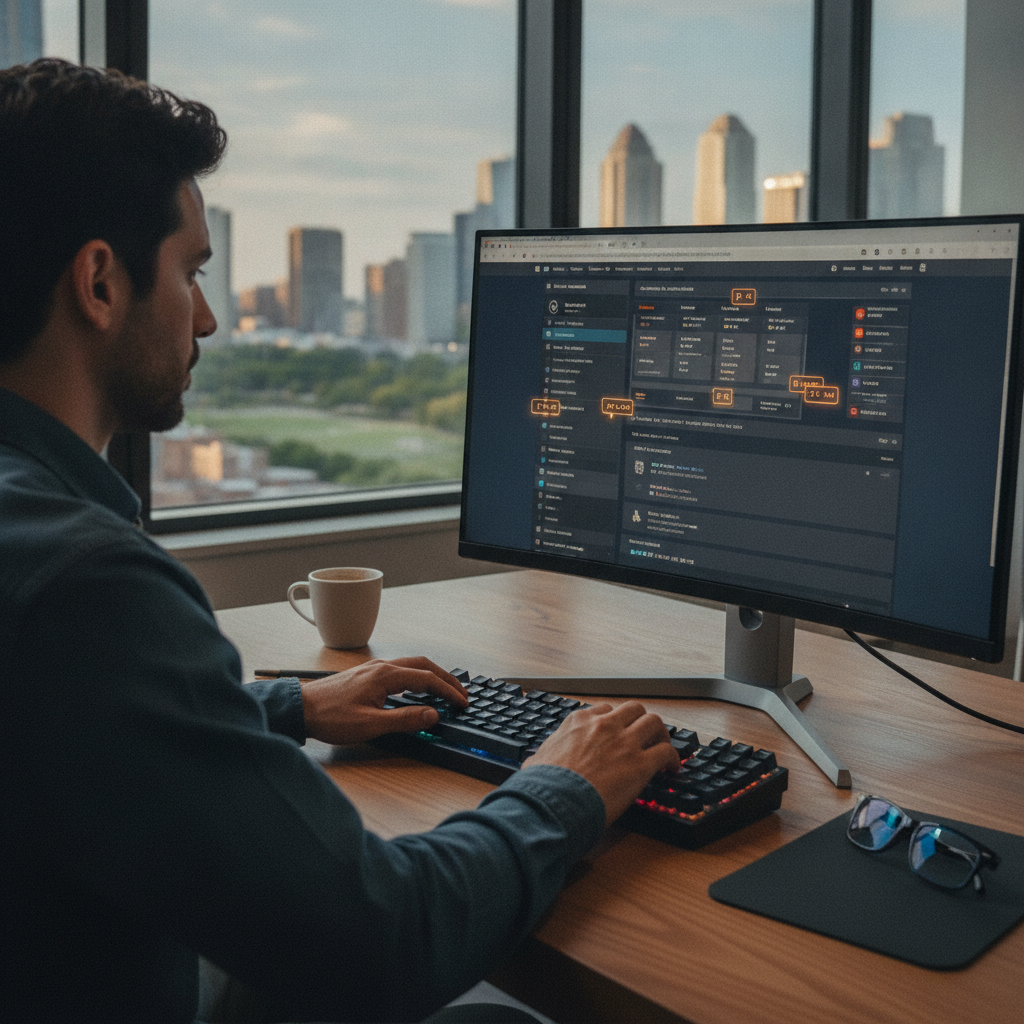
How Keyboard-Driven Browser Extensions Are Letting Power Users Work Through the Web Without Ever Touching a Mouse
Keyboard-driven browser extensions like Vimium and Surfingkeys are helping power users browse the web entirely without a mouse — and the benefits for focused, deep work go well beyond saving a few clicks.
By Chris Martinez | Aug 19, 2026

How Second-Screen Companion Apps for Streaming Services Are Quietly Changing the Way Households Decide What to Watch Together
Second-screen companion apps like Letterboxd and Rave are subtly reshaping how households negotiate what to watch together, replacing remote-control power struggles with shared taste profiles and collaborative queues.
By Chris Martinez | Aug 16, 2026

How Lightweight Linux Distributions Are Giving Older Laptops a Functional Second Life for Remote Workers and Students on Tight Budgets
Lightweight Linux distributions like Lubuntu and Linux Mint are transforming aging laptops into capable machines for remote workers and students, offering a free and practical alternative to expensive hardware upgrades.
By Chris Martinez | Aug 13, 2026

How AI-Powered Writing Assistants Embedded Directly in Note-Taking Apps Are Changing How Professionals Draft and Organize Ideas Without Switching Tools
AI writing assistants built directly into note-taking apps are reshaping how professionals think, draft, and organize — all without leaving the page they're already working on.
By Robert Kim | Aug 10, 2026
How Portable Power Stations With App-Based Load Monitoring Are Replacing Traditional Battery Banks for Remote Work Travel Setups
Portable power stations with app-based load monitoring are giving remote workers real-time control over their energy use on the road — and they're making traditional battery banks feel outdated fast.
By Chris Martinez | Aug 07, 2026

Why Browser-Based Distraction Blockers Are Outperforming Full App-Lock Tools for Deep Work Sessions
Browser-based distraction blockers like Freedom and Cold Turkey are proving more effective than full app-lock tools for deep work by targeting specific content rather than entire devices. Here's why the context-aware approach works better.
By Chris Martinez | Aug 04, 2026

How Smartwatch Sleep Tracking Features Have Evolved Beyond Basic Duration Metrics to Offer Actionable Stage-by-Stage Recovery Insights
Smartwatch sleep tracking has moved well beyond counting hours. Modern devices now break down each night by biological stage and translate that data into actionable recovery insights.
By Sarah Mitchell | Jul 31, 2026

How Dual-SIM eSIM Management Apps Are Letting Frequent Travelers Switch Carrier Plans Mid-Trip Without Swapping Physical Cards
Dual-SIM eSIM management apps like Airalo and Holafly now let frequent travelers purchase, activate, and switch regional carrier plans mid-trip without touching a physical SIM card. Here's how the technology works and why it's changing international connectivity.
By Amanda Foster | Jul 28, 2026

How Mesh Wi-Fi Systems With Built-In Parental Controls Are Replacing Separate Router and Filtering Setups in Family Homes
Mesh Wi-Fi systems with built-in parental controls are consolidating what once required multiple devices and subscriptions into a single managed platform. Here's how the shift is playing out in family homes.
By Marcus Chen | Jul 25, 2026

How Local AI Models Running Entirely on Your Device Are Changing What Privacy-Conscious Users Can Do Without Sending Data to the Cloud
Local AI models that run entirely on your device are giving privacy-conscious users powerful capabilities — from transcription to document summarization — without sending a single byte to the cloud.
By Jennifer Walsh | Jul 22, 2026

How Passcode-Free Authentication Methods Like Passkeys Are Quietly Making Traditional Passwords Obsolete for Everyday Apps
Passkeys and biometric authentication are steadily replacing traditional passwords across major apps and platforms. Here's what the shift means for everyday digital security.
By Chris Martinez | Jul 19, 2026

How Smart Home Energy Monitors Give Renters Actionable Data to Lower Utility Bills Without Making Any Permanent Installations
Smart home energy monitors give renters real-time consumption data and actionable insights without requiring any permanent installation, making it possible to lower utility bills through informed, data-driven habit changes.
By Sarah Mitchell | Jul 16, 2026

How Noise-Canceling Earbuds With Transparency Mode Are Replacing Traditional Hearing Protection in Loud Urban Work Environments
Noise-canceling earbuds with transparency mode are beginning to fill a gap that traditional hearing protection never addressed well — especially in moderate-noise urban work environments where communication and safety awareness can't be sacrificed.
By Marcus Chen | Jul 13, 2026

How Offline-First Travel Apps Outperform Cloud-Dependent Alternatives When Navigating Areas With Unreliable Mobile Data
Offline-first travel apps store maps, translations, and booking data locally so they work without a signal — a critical advantage in rural, remote, or poorly connected destinations.
By Marcus Chen | Jul 10, 2026

How AI-Powered Itinerary Apps Compare to Traditional Travel Planning Methods When Organizing Complex Multi-Stop Trips
AI-powered itinerary apps and traditional planning methods each offer distinct advantages when organizing complex multi-stop trips. Here's how to understand the difference and use both effectively.
By Sarah Mitchell | Jul 07, 2026

Digital Detox Strategies: How to Reclaim Your Time and Attention
By Aiden Reese | Mar 04, 2026

Creating Tech-Free Zones at Home to Promote Mental Wellness
By Ethan Sawyer | Feb 20, 2026

Family Strategies for Limiting Technology While Staying Connected
By Piper Redding | Nov 14, 2025

The Role of Wearables in Monitoring and Reducing Screen Time
By Charlotte Davis | Nov 14, 2025

Using App Limitations and Screen Time Features to Stay Focused
By Tessa Taylor | Nov 14, 2025

Scheduled Breaks and Device-Free Hours for a Healthier Daily Routine
By Georgia Hayes | Nov 14, 2025

Mindful Technology Use: Techniques to Balance Work and Leisure Online
By Owen Clarke | Nov 14, 2025

Apps That Encourage Productivity Instead of Distraction
By Maeve Kennedy | Nov 14, 2025