Scheduled Breaks and Device-Free Hours for a Healthier Daily Routine
Georgia Hayes
2026-01-02
6 min read
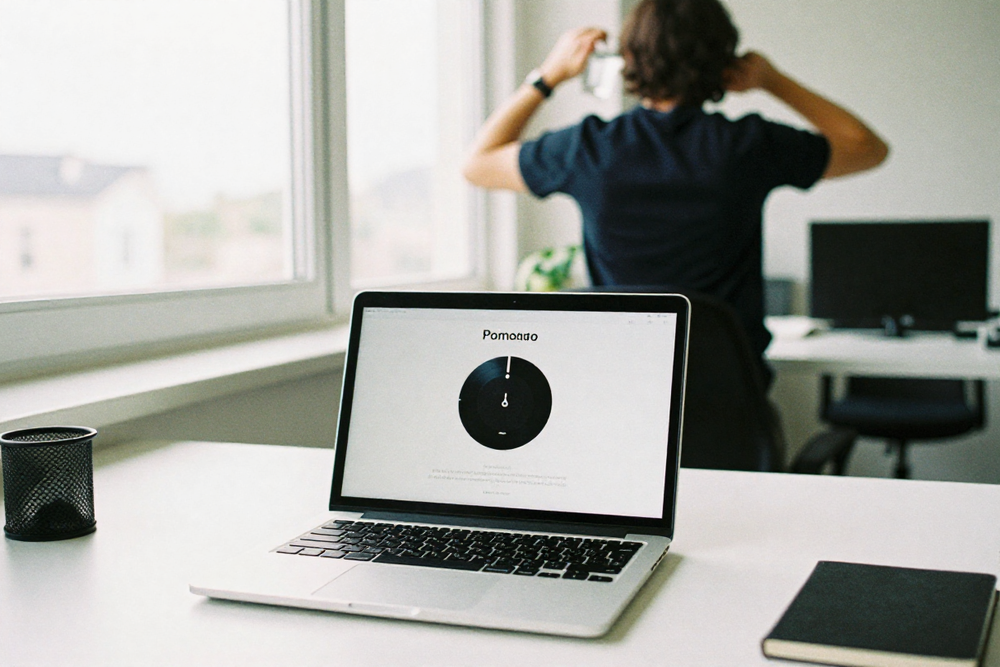
In today’s hyper-connected world, technology has become a constant companion. Smartphones, laptops, and tablets make it possible to work, socialize, and entertain ourselves with unprecedented convenience. However, this constant connectivity comes with a hidden cost: mental fatigue, sleep disruption, reduced focus, and even anxiety. To counter these effects, many health experts are advocating for scheduled breaks and device-free hours as a core component of a healthier daily routine. These strategies are not about rejecting technology entirely but rather using it intentionally to reclaim balance, improve productivity, and enhance overall well-being.
The Need for Scheduled Breaks
The average person checks their phone dozens of times per day, often without even noticing it. This constant attention-switching can impair cognitive performance, decrease work efficiency, and increase stress levels. Scheduled breaks provide a structured approach to stepping away from screens and allowing the brain to rest. Even brief pauses of five to ten minutes every hour can have measurable benefits, including improved concentration, reduced eye strain, and increased energy levels.
One common method is the Pomodoro Technique, which alternates 25-minute focused work periods with five-minute breaks. During these intervals, stepping away from devices, stretching, or taking a short walk allows the mind to reset, preventing burnout and enhancing creativity. While the method originated for productivity, its benefits extend to mental and emotional health as well.
Creating Device-Free Hours
Beyond short breaks, allocating longer device-free periods during the day can significantly improve quality of life. These are times when you intentionally avoid all digital screens—smartphones, computers, televisions, and tablets. Many people choose evenings or early mornings for these periods, turning off notifications and focusing on non-digital activities such as reading, cooking, exercising, or spending time with loved ones.
Device-free hours promote mindfulness by removing distractions and allowing attention to be fully directed toward the present moment. They also create a natural boundary between work and personal life, helping to reduce stress and improve sleep quality. For example, avoiding screens for at least an hour before bed has been shown to improve melatonin production, leading to more restful sleep and better overall health.
Designing Your Routine
Implementing scheduled breaks and device-free hours requires intentional planning. Start by mapping out your day and identifying natural gaps or transition points where breaks can be inserted. These might include mid-morning, after lunch, or mid-afternoon. Use these moments to stand up, stretch, hydrate, or step outside for fresh air. Even short periods away from screens help prevent the feeling of mental overload that often accompanies continuous digital engagement.
Device-free hours can be integrated gradually. Start with a single hour in the evening and extend the duration over time. Designating specific activities for these hours, such as journaling, meditating, or cooking, ensures the time is both intentional and rewarding. Pairing device-free periods with enjoyable habits encourages consistency and makes the practice feel less restrictive.
Benefits for Physical Health
The physical benefits of scheduled breaks and device-free hours are substantial. Prolonged screen use is linked to eye strain, neck and back pain, and poor posture. Taking regular breaks allows you to move, stretch, and reset posture, reducing the risk of musculoskeletal discomfort. Additionally, stepping away from sedentary digital activities encourages incidental movement throughout the day, which can improve circulation and support overall fitness.
Device-free hours also allow for better eating habits. Mindless snacking in front of screens is common, and eliminating digital distractions during meals encourages more mindful eating. This can lead to better digestion, improved portion control, and a healthier relationship with food.

Mental and Emotional Advantages
Scheduled breaks and device-free periods are equally important for mental and emotional well-being. Constant notifications and digital interruptions can contribute to anxiety and a perpetual sense of urgency. By intentionally disconnecting, you give your mind time to process thoughts, reflect, and recharge. This fosters emotional resilience and improves decision-making, focus, and creativity.
For parents, device-free hours offer additional benefits by creating meaningful, uninterrupted time with children. Adults can model healthy digital habits, and the family can engage in shared activities that strengthen bonds, such as board games, outdoor walks, or collaborative cooking sessions.
Implementing Technology to Reduce Technology
Interestingly, technology itself can support these healthier routines. Apps that track screen time, send reminders for breaks, or temporarily block notifications during designated periods can help maintain consistency. Digital well-being features available on smartphones, such as focus mode or app timers, provide a practical way to enforce device-free intervals without requiring extreme self-discipline.
By using technology strategically to manage technology use, you create a sustainable system that encourages balance, enhances productivity, and promotes a healthier lifestyle.
Tips for Success
Consistency is key when adopting scheduled breaks and device-free hours. A few tips to make the practice stick include:
- Start small with short, manageable periods and gradually increase the duration.
- Pair breaks with enjoyable or restorative activities to make them feel rewarding.
- Communicate boundaries to family, friends, and colleagues to avoid interruptions.
- Track your progress and note improvements in focus, mood, or energy levels.
- Be flexible; some days will be easier than others, and adjusting the routine is normal.
In an era dominated by screens and constant connectivity, scheduled breaks and device-free hours are essential for maintaining balance and supporting long-term health. By intentionally stepping away from devices, even for brief periods, individuals can improve physical posture, enhance mental clarity, boost productivity, and foster meaningful connections both at home and in the workplace.
They help establish boundaries, reduce stress, and create the space needed to thrive in both professional and personal life. By integrating scheduled breaks and device-free hours into your daily routine, you can reclaim control over your time, improve your well-being, and ultimately cultivate a more fulfilling, mindful lifestyle.