Country Music Festivals: Experiencing Americana Through Live Performances
Aiden Reese
2026-01-30
6 min read
Country music has long been an emblem of American culture, storytelling, and tradition. From heartland ballads to modern country-pop hits, the genre reflects the diversity, values, and spirit of the United States. For fans, experiencing country music live is more than just listening—it’s an immersion in Americana. Country music festivals offer a unique opportunity to witness the energy, camaraderie, and cultural richness that have made the genre an enduring part of the national identity.
Across the country, festivals have evolved from small-town gatherings into large-scale events that draw tens of thousands of attendees. They provide not only performances but also a holistic cultural experience that combines music, food, community, and local heritage. Attending a country music festival allows fans to connect with the music, with each other, and with the very regions that shaped the genre.
A Celebration of Music and Storytelling
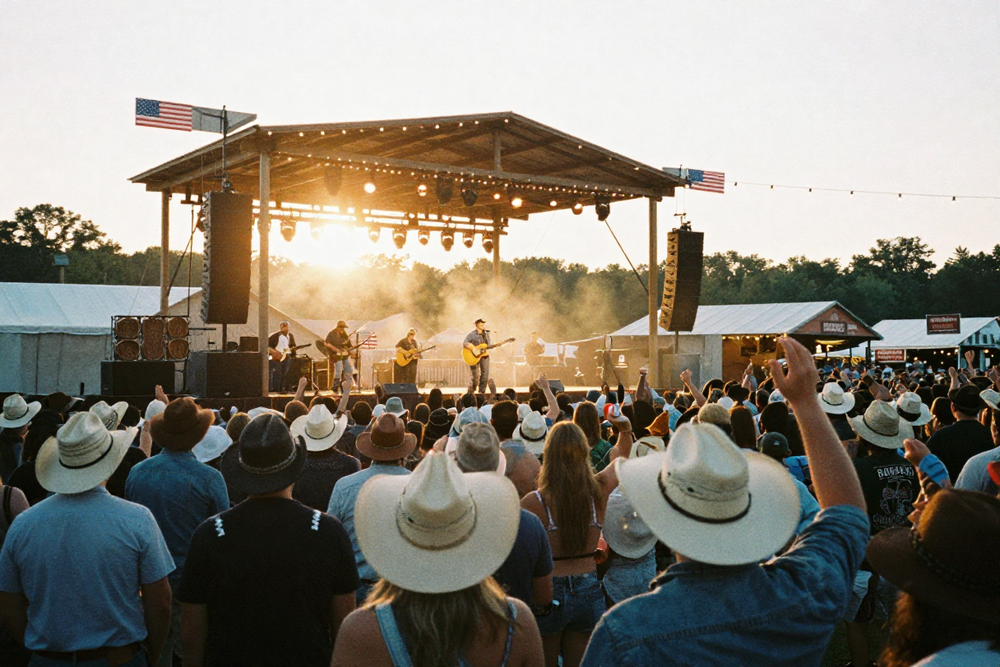
At the heart of every country music festival is the music itself. Unlike some genres that rely heavily on electronic production, country music thrives on storytelling. Lyrics often touch on themes of love, heartache, community, and personal triumphs, creating an intimate connection between performers and audiences. Festivals amplify this connection, allowing fans to sing along to familiar tunes while discovering new artists.
Many festivals feature a mix of headlining stars and emerging talent, giving attendees a comprehensive view of the genre’s evolution. Iconic acts such as Luke Bryan, Carrie Underwood, and Chris Stapleton perform alongside up-and-coming artists, showcasing both traditional country sounds and modern influences. The variety ensures that the festival experience appeals to both lifelong fans and newcomers, offering a window into the breadth of country music.
Immersive Experiences Beyond the Stage
Country music festivals are more than concerts—they are immersive experiences that celebrate Americana in its many forms. Attendees can expect food vendors offering regional specialties, from barbecue and fried chicken to local craft beers. Many festivals incorporate artisan markets, showcasing handmade goods and local crafts, giving visitors a tangible connection to the culture.
Some festivals also feature rodeo events, line dancing lessons, or mechanical bull challenges, reflecting the rural roots and playful spirit often associated with country life. These activities create a sense of participation and engagement, ensuring that festivals appeal to all ages and provide more than just auditory entertainment.
Community and Connection
One of the most significant aspects of country music festivals is the sense of community they foster. Fans often travel from across the country, bringing together individuals who share a passion for the music and lifestyle. The communal experience of singing along to beloved songs, dancing under the open sky, and celebrating shared cultural values fosters a unique camaraderie.
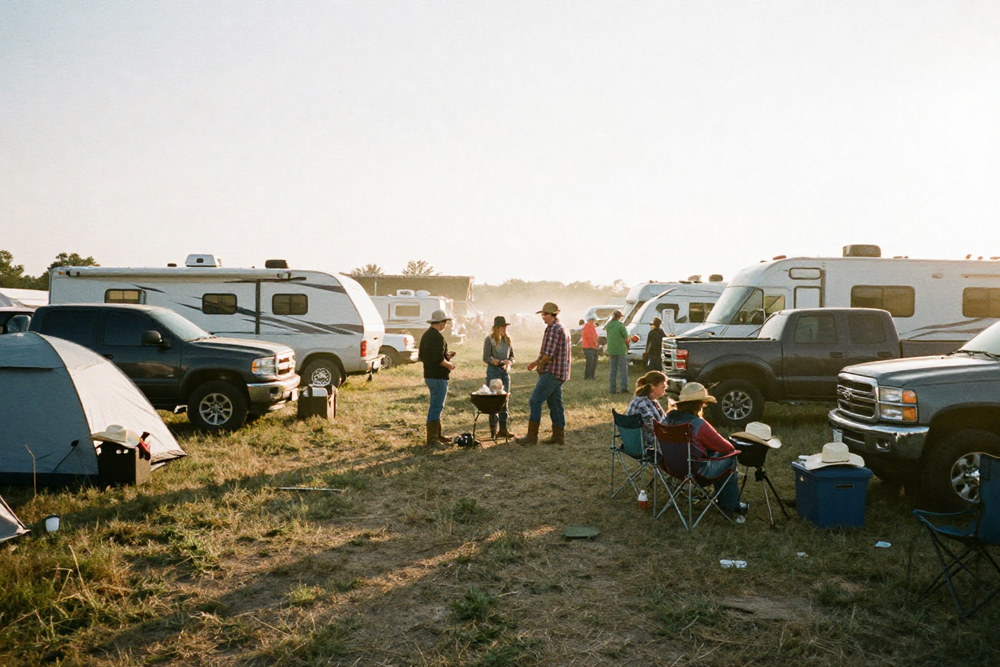
Festival culture often extends beyond the performances. Campgrounds near festival sites become social hubs where attendees form temporary communities, share stories, and build connections that may last well beyond the event. This blending of music and social engagement makes country music festivals unique, turning them into celebrations of friendship and collective experience.
Regional Flavors and Local Heritage
Country music festivals often highlight the regions in which they are held, creating a distinctive local flavor. For instance, festivals in Nashville emphasize the city’s role as the birthplace of country music, incorporating tours of historic recording studios and museums. In Texas, events often emphasize cowboy culture and Western heritage, blending music with rodeos and livestock displays.
These regional distinctions make each festival unique. Attendees gain more than just musical entertainment; they receive a cultural education, learning about the traditions, history, and values that shaped the sound and ethos of country music. By combining music with local heritage, festivals provide a holistic immersion in Americana.
Accessibility and Inclusivity
Modern country music festivals have become increasingly accessible to a broad audience. Many events offer family-friendly areas, wheelchair-accessible seating, and affordable ticket options. These inclusivity efforts allow a diverse range of attendees to participate and enjoy the experience. Festivals also cater to fans of different ages, with some featuring nostalgic performances from classic artists while others showcase contemporary acts appealing to younger audiences.
The broad accessibility reinforces the communal and celebratory nature of these events. Whether a long-time fan or a first-time attendee, everyone can find moments of connection, enjoyment, and cultural enrichment.
The Role of Technology
Technology has enhanced the country music festival experience in several ways. Festival apps allow attendees to navigate schedules, find stages, and access maps for food and craft vendors. Live-streaming options bring performances to fans unable to attend in person, expanding the reach and cultural impact of the festivals. Social media platforms enable attendees to share their experiences in real-time, fostering online communities that mirror the in-person camaraderie of festival grounds.
These technological integrations ensure that country music festivals remain relevant in the digital age, connecting traditional Americana with modern tools for engagement, accessibility, and storytelling.
Country music festivals offer more than live performances—they are immersive cultural experiences that celebrate music, community, and American heritage. From legendary headliners to emerging artists, from rodeo events to regional cuisine, festivals create a multi-sensory journey that allows attendees to experience the heart of Americana.
For fans of country music, these festivals provide an opportunity to connect with like-minded individuals, engage with local traditions, and celebrate the genre’s enduring themes of love, resilience, and community. Whether you’re attending a festival in the rolling hills of Tennessee, the wide-open plains of Texas, or anywhere in between, the experience is a reminder that country music is not just a genre—it’s a way of life, shared, celebrated, and lived through every note and every story.