The Role of Wearables in Monitoring and Reducing Screen Time
Charlotte Davis
2026-01-29
6 min read

In today’s hyperconnected world, many of us struggle with the amount of time we spend staring at screens. Whether it’s smartphones, tablets, computers, or TVs, the digital demands of work, social media, and entertainment can take a toll on our mental and physical health. Increasingly, wearables—smartwatches, fitness trackers, and health monitoring devices—are stepping in as powerful allies to help individuals become aware of their digital habits and make conscious changes to reduce screen time.
Wearable technology is no longer limited to tracking steps or heart rates. Modern devices now offer insights into sleep patterns, stress levels, daily activity, and crucially, the amount of time spent on digital devices. By integrating behavioral monitoring with reminders and analytics, wearables provide users with actionable data to reclaim time that might otherwise be lost to unproductive screen use.
Understanding Digital Overload
Excessive screen time has been linked to a variety of health issues. Extended device use can disrupt sleep, increase eye strain, contribute to sedentary behavior, and heighten stress and anxiety. While many people recognize the problem, awareness alone is often insufficient to drive lasting change. The challenge lies in consistently monitoring habits and taking proactive steps to adjust them.
Wearables address this challenge by providing real-time feedback and measurable goals. Instead of relying on self-reporting—which is often inaccurate—users can access precise data about how long they spend on devices, what apps they use the most, and how these habits correlate with other aspects of health, such as sleep quality or heart rate variability. This data-driven approach allows for more informed decision-making and sustainable behavioral change.
How Wearables Monitor Screen Time
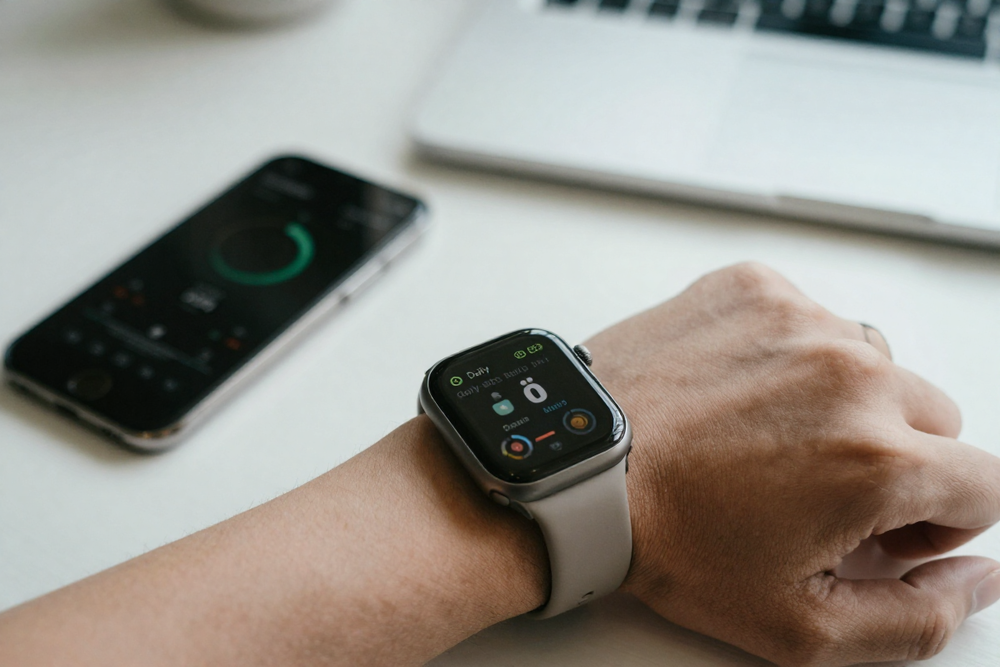
Most modern smartwatches and fitness trackers connect seamlessly with smartphones and tablets, offering detailed usage reports. For example, Apple Watches integrate with iOS’s Screen Time feature to provide summaries of app usage, notifications received, and hours spent on specific activities. Similarly, Android-compatible wearables can track daily phone interaction, providing hourly breakdowns and trend analysis over time.
These devices often include customizable alerts or reminders that notify users when they’ve exceeded preset limits on device usage. Some wearables use subtle haptic feedback, gentle vibrations, or visual cues on the device screen to interrupt prolonged usage, helping users step away from screens without requiring conscious attention to the clock. This passive nudging encourages mindfulness without feeling intrusive or disruptive to daily routines.
Promoting Mindful Technology Use
One of the most valuable aspects of wearables is their ability to foster mindfulness around technology. Data alone is informative, but its real power lies in enabling users to reflect and act. For instance, a wearable might show that a user spends three hours per day on social media during work hours. Recognizing this pattern can lead to setting app limits, creating designated tech-free periods, or restructuring the workday to prioritize focus.
Wearables also support goal-setting. Users can establish daily screen time caps and monitor progress throughout the day. Many devices reward consistency through visual progress indicators, gamified badges, or streak tracking. This creates a sense of achievement and reinforces positive behavior, similar to the motivation experienced in physical fitness tracking.
Integrating Movement and Breaks
Screen time reduction isn’t just about disconnecting from devices—it’s about replacing sedentary habits with healthier alternatives. Many wearables encourage users to take regular breaks from screens by prompting movement, stretching, or short walks. For example, after an hour of continuous device use, the wearable may suggest standing up, performing a quick exercise, or simply stepping away from the computer.
This integration of physical activity with digital monitoring not only reduces screen time but also mitigates the negative health effects of prolonged sitting. Users are encouraged to take an active approach to their wellness, combining technology awareness with movement and stress reduction strategies.
Customizing for Personal Needs
Every individual’s relationship with technology is different, and wearables reflect this diversity through customization. Users can choose which apps to track, set specific alerts, and define time limits based on their lifestyle. For instance, someone working in a technology-driven role may need longer allowances for professional apps while limiting social media usage during work hours. Others may prioritize sleep hygiene, using their wearable to restrict device activity before bedtime to improve rest quality.
This flexibility ensures that wearables support sustainable behavioral changes rather than imposing rigid, one-size-fits-all restrictions. By tailoring notifications and goals to personal routines, wearables help users build habits that fit naturally into their day-to-day lives.
The Future of Wearables in Digital Health
As wearable technology continues to evolve, its role in managing screen time is expected to expand. Artificial intelligence and machine learning are being integrated to provide predictive insights, identifying patterns before they become problematic. Future devices may automatically adjust alerts, suggest healthier routines, and integrate with other smart home devices to optimize both digital and physical wellness.
Moreover, the social component of wearables is growing. Many platforms now allow users to share progress, join accountability groups, or participate in challenges with friends and family. This communal aspect can enhance motivation, creating a network of support that reinforces responsible technology use.
Wearables have become essential tools in the quest to monitor and reduce screen time. By providing precise data, reminders, and customizable goals, these devices empower individuals to take control of their digital habits. Beyond monitoring usage, wearables encourage movement, mindfulness, and healthier lifestyle choices, transforming the way people interact with technology.
Wearables not only illuminate our digital behavior but also offer practical solutions to create balance. By leveraging these devices, individuals can reduce screen-induced stress, improve productivity, and foster habits that support both physical and mental well-being. Ultimately, wearables are proving that technology itself can be the solution to one of its own biggest challenges.