Most travelers return home with photographs, souvenirs, and a faint sense that they skimmed the surface of somewhere extraordinary. The ten-day sprint through five cities leaves a blur of cathedrals and coffee shops rather than any genuine feeling of belonging — a frustration familiar to anyone who has stood in a famous piazza wondering why it doesn't feel as transformative as expected.
Slow travel, particularly when stretched across three weeks or more, operates on an entirely different principle. It trades breadth for depth, and in doing so, it changes not just what a traveler sees but who they briefly become in each place they stay.
How Does Time Actually Change a Traveler's Experience?
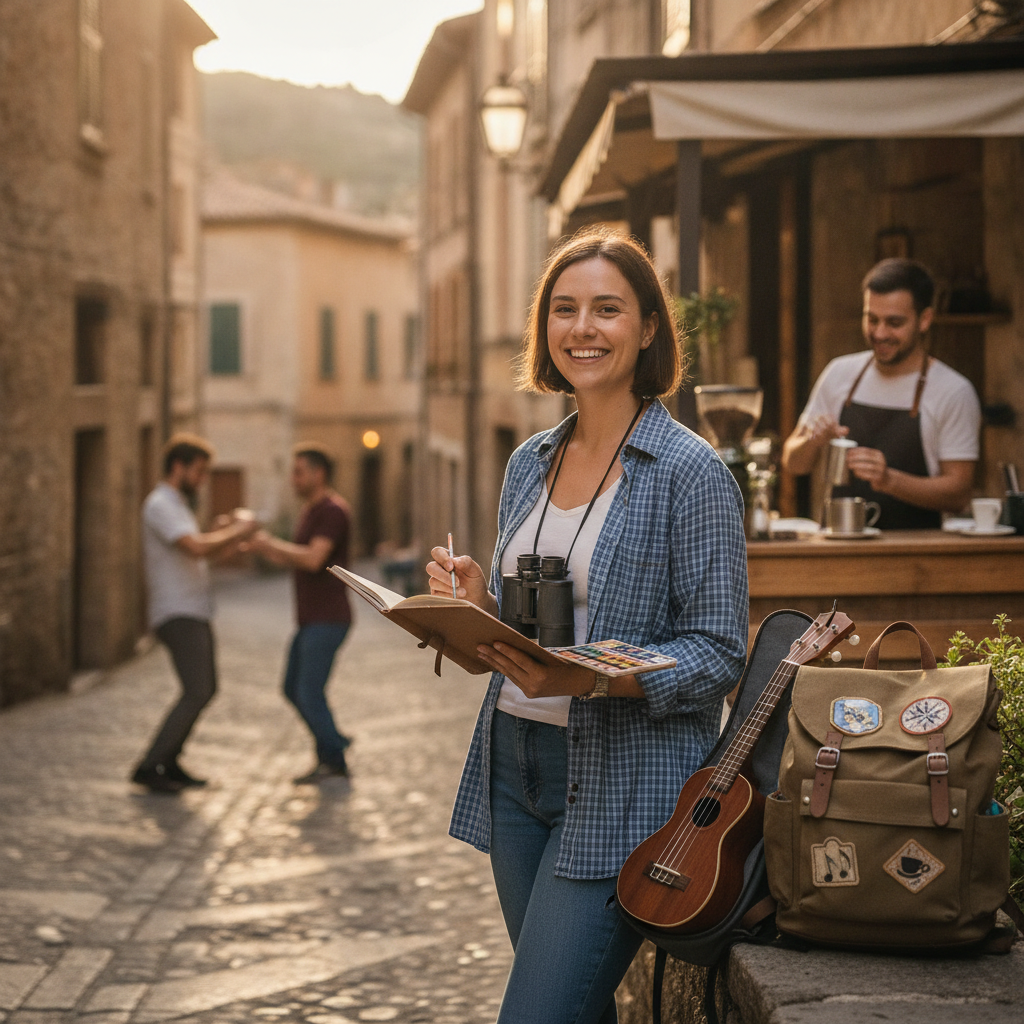
The first week of any extended stay functions as a kind of decompression. The nervous energy of arrival — the orientation walks, the wrong metro lines, the tentative first meals — gradually gives way to something quieter. By the second week, the body starts to calibrate to a new rhythm. The bakery on the corner becomes a habit rather than a discovery. The market vendor recognizes a familiar face.
This progression is not accidental. Familiarity is the precondition for genuine connection, and familiarity simply cannot be manufactured in four days. Time is the ingredient that no itinerary hack or insider tip can replace.
What Happens When Routines Replace Sightseeing?
Slowing down means accepting that some days will look ordinary. A morning spent at a neighborhood café in Oaxaca, watching schoolchildren walk past and overhearing conversations in regional Spanish, teaches more about daily Mexican life than any guided tour of the zócalo. The *zócalo* — the central public square common to most Mexican cities — is beautiful, but it belongs to tourists. The café belongs to the neighborhood.
When travelers stop filling every hour with monuments and museums, space opens up for the unplanned encounters that define a place: an impromptu conversation with a retired schoolteacher, a recommendation from a fishmonger, an invitation to a family meal that no travel app could have anticipated. These moments rarely find their way into trip reports, but they tend to be the ones people describe years later.
Why Do Neighborhoods Reward Longer Stays?
Cities are not monolithic. Lisbon's Mouraria district, one of the oldest and most culturally layered neighborhoods in Europe, feels nothing like the fashionable streets of Príncipe Real a kilometer away. Both exist within the same city, but each has its own acoustic texture, its own pace, its own relationship to history.
A traveler spending three weeks in Lisbon might shift base between two or three neighborhoods, absorbing each one before moving. That kind of granular attention is impossible on a short trip, where the efficient choice is always the well-mapped center. Slow travel makes the less-obvious neighborhoods accessible — and it's in those quieter streets that a city's character tends to be most honest.
How Does Language Fit Into Slow Travel?
Extended stays create a low-stakes environment for language learning that structured classes rarely replicate. A traveler in Chiang Mai for a month will, almost inevitably, acquire a handful of Thai phrases — *khob khun* for thank you, *sanuk* for the cultural concept of finding joy and fun in everyday activity, *mai pen rai* for the easy-going attitude toward life's minor inconveniences. These aren't just vocabulary words; they're small windows into a cultural worldview.
Even imperfect language attempts shift the dynamic between visitor and local. They signal effort, curiosity, and respect. Locals tend to respond in kind, offering patience and warmth that the hurried tourist rarely encounters. Language, even broken and approximate, is one of the most effective tools for moving from observer to participant.
What Does Slow Travel Teach About a Place's Rhythms?
Every culture has its own relationship with time, and three weeks is usually long enough to begin feeling it. In southern Spain, the siesta is not a quaint tradition but a genuine restructuring of the day — afternoons are genuinely quiet, and attempting to shop or eat on a northern European schedule produces only closed shutters and puzzled looks. Surrendering to that rhythm rather than fighting it produces an unexpected sense of ease.
In Japan, the concept of *ma* — the meaningful pause, the value placed on empty space and silence — permeates everything from theatrical performance to daily conversation. A traveler rushing through Tokyo on a week-long trip is unlikely to notice it. Someone staying a month begins to feel it in the unhurried service, the careful presentation of small things, the way silence is treated as an asset rather than an awkward gap.
How Does Extended Travel Reshape How You Return Home?
When you've spent enough time somewhere to develop genuine familiarity, leaving carries a different emotional weight. There's a mild grief to it — the loss of a temporary life that had become, briefly, real. That feeling is actually a useful signal. It means the place got through the defenses that short tourism tends to reinforce.
What travelers often find, returning from a long trip, is that the experience doesn't fade quickly. The images stay sharper. The cultural impressions settle into something more durable than a holiday memory. And the next trip tends to be planned differently — with more patience, more margin, and a clearer sense of what actually matters when time is not the enemy.
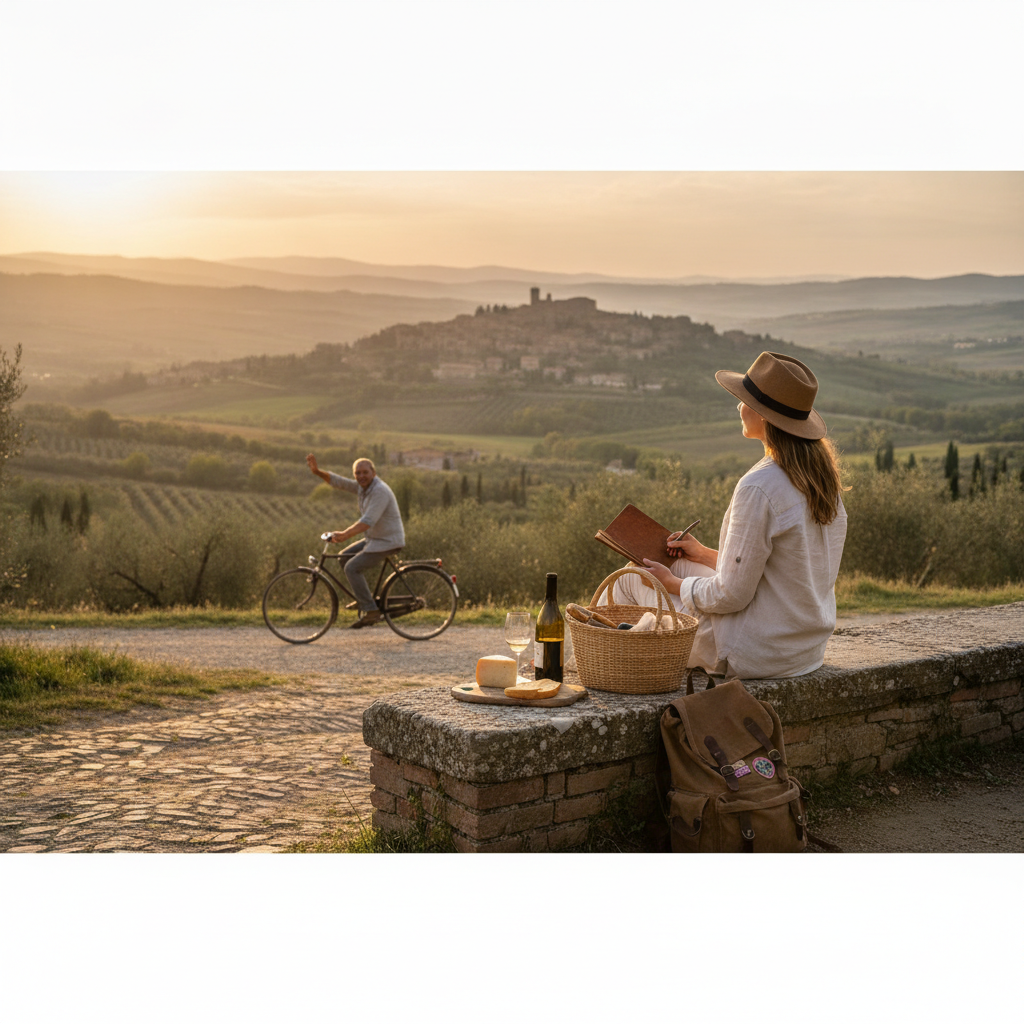
The invitation, then, is straightforward. Choose one place. Stay longer than feels entirely comfortable. Let the second week feel ordinary, and see what the third week reveals. The place will still be there, and so will you — but the relationship between the two will be something neither a guidebook nor a ten-day itinerary could have built.