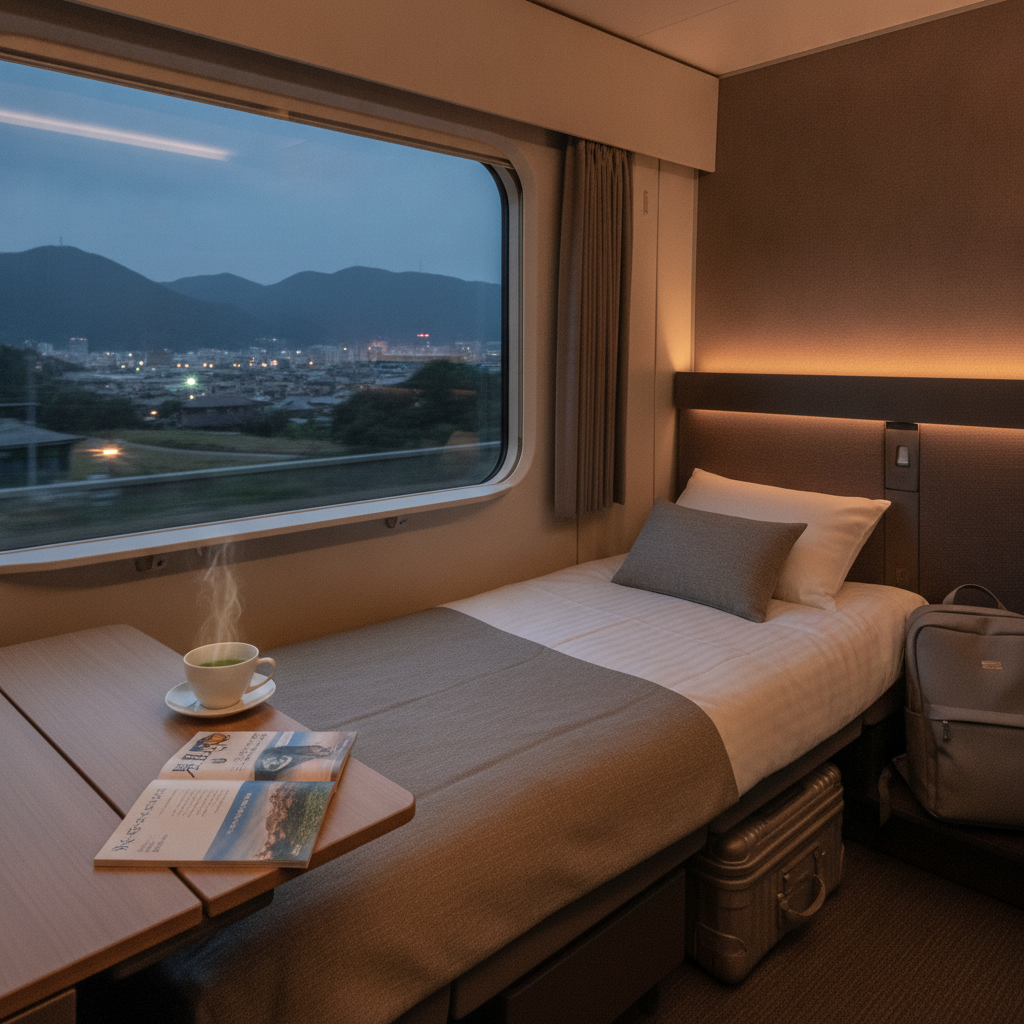
Japan is one of those rare countries where sleeping on a train isn't just a backup plan — it's genuinely one of the smartest travel moves you can make. With a rail network that runs like clockwork and overnight services that connect major cities across the archipelago, you can skip a night's hotel bill while waking up somewhere completely new. If you're trying to stretch your yen further without cutting the experiences that make Japan worth the trip, overnight trains deserve a serious spot in your itinerary.
Know Which Overnight Routes Are Actually Worth It
Not every overnight train in Japan covers the same ground, and choosing the right route matters. The Sunrise Izumo and Sunrise Seto are the most famous — they depart Tokyo's Shibuya area late at night and arrive in Izumo and Takamatsu the next morning, making them a practical and scenic way to reach western Japan. The Nobi Nobi seat (a carpeted, lie-flat berth on the floor) is the budget gem here — no reservation fee beyond your base ticket. Knowing your options before you book prevents you from overpaying or missing the better deal entirely.
Book Early, Because Space Goes Fast
Overnight train seats in Japan aren't unlimited, and the popular compartments fill up weeks in advance, especially during Golden Week or autumn foliage season. The Nobi Nobi berths on the Sunrise trains are particularly sought after because they offer genuine lie-flat comfort at a fraction of the private compartment cost. You can book through JR's official Eki-Net platform or at any major station's ticket office. If you're planning a multi-city trip, lock in your overnight legs as soon as your dates are confirmed — waiting until the last week often means settling for a seat, not a berth.
Understand How the Japan Rail Pass Interacts With These Trains
The Japan Rail Pass covers base fares on most JR overnight trains, but it doesn't automatically cover every add-on. On the Sunrise services, the Nobi Nobi berth is included with a valid pass, which is one reason budget travelers love it. Private compartments and reserved sleeping berths, however, usually require a separate sleeper surcharge even if you're holding a pass. Run the numbers before you buy — if the overnight trains you want are a big part of your plan, the pass can pay for itself faster than you'd expect, especially on longer journeys between Tokyo and the Kansai or Chugoku regions.
Pack Smart for an Overnight Journey
An overnight train is not a hotel room, and packing like it is will make for a frustrating night. Keep your essentials — a change of clothes, a toothbrush, earplugs, an eye mask, and your phone charger — in a small daypack that stays accessible throughout the night. Your larger luggage can go in the overhead rack or luggage space near the doors, but you'll want easy access to the things you actually need at 2 a.m. Japanese convenience stores like 7-Eleven and Lawson are almost always a short walk from major departure stations, making it easy to grab dinner, snacks, and a drink before you board.
Use Overnight Travel to Anchor Your Itinerary Strategically
The smartest way to use overnight trains isn't to sprinkle them randomly throughout your trip — it's to use them as hinges between major legs. Think of it this way: if you're spending four or five days in Tokyo before heading west toward Hiroshima or Matsuyama, an overnight train is the perfect bridge. You end your Tokyo days fully, board late, and arrive refreshed and ready to start exploring somewhere new. That single overnight leg saves you a hotel night on both ends of the journey. Stack two or three of these transitions into a two-week trip and the savings start to feel very real.
Manage Sleep Expectations Honestly
The Nobi Nobi berths are comfortable enough for most travelers, but they're shared, open spaces — not private rooms. You'll be lying near other passengers, and while Japanese train etiquette generally keeps things quiet, a light sleeper might find it challenging without earplugs and a good eye mask. The private compartments on the Sunrise trains are quieter and more comfortable, but they cost more and require early booking. Going in with realistic expectations means you won't feel blindsided by the experience. Many travelers find they sleep better than expected once the train is moving, simply because the rhythm of rail travel is genuinely relaxing.
Combine Overnight Trains With Budget Accommodation at Each End
The full financial benefit of overnight trains only clicks into place when you pair them with smart choices at your destinations. In cities like Osaka, Hiroshima, and Takamatsu, there are solid guesthouses and capsule hotels that run significantly cheaper than mid-range hotels — places like Khaosan hostels or local guesthouses near the station can be booked for a fraction of what a business hotel charges. By saving on one night's accommodation via the train and choosing budget-friendly spots at your destination, you free up funds for the experiences that actually matter: food, day trips, and the small moments that define a great Japan trip.
Keep an Eye on Japan's Evolving Night Train Scene
Japan Railways has been quietly investing in new overnight services, and the rail scene in 2026 is showing signs of expansion beyond the Sunrise routes that have dominated for years. There's growing conversation around reviving long-distance sleeper services as both a sustainable travel option and a tourism draw. Watching the JR Group announcements and checking platforms like Eki-Net seasonally could reveal new routes or limited promotional fares before they become widely known. The fundamentals aren't going anywhere — Japan's trains are reliable, the savings are real, and a well-planned overnight leg remains one of the most satisfying ways to travel the country.
Overnight trains in Japan reward people who plan ahead and pack light. Get the booking right, manage your expectations, and use each sleeper journey as a strategic link between the places you want to see — and you'll find that one of Japan's most practical travel tools is also one of its most memorable.