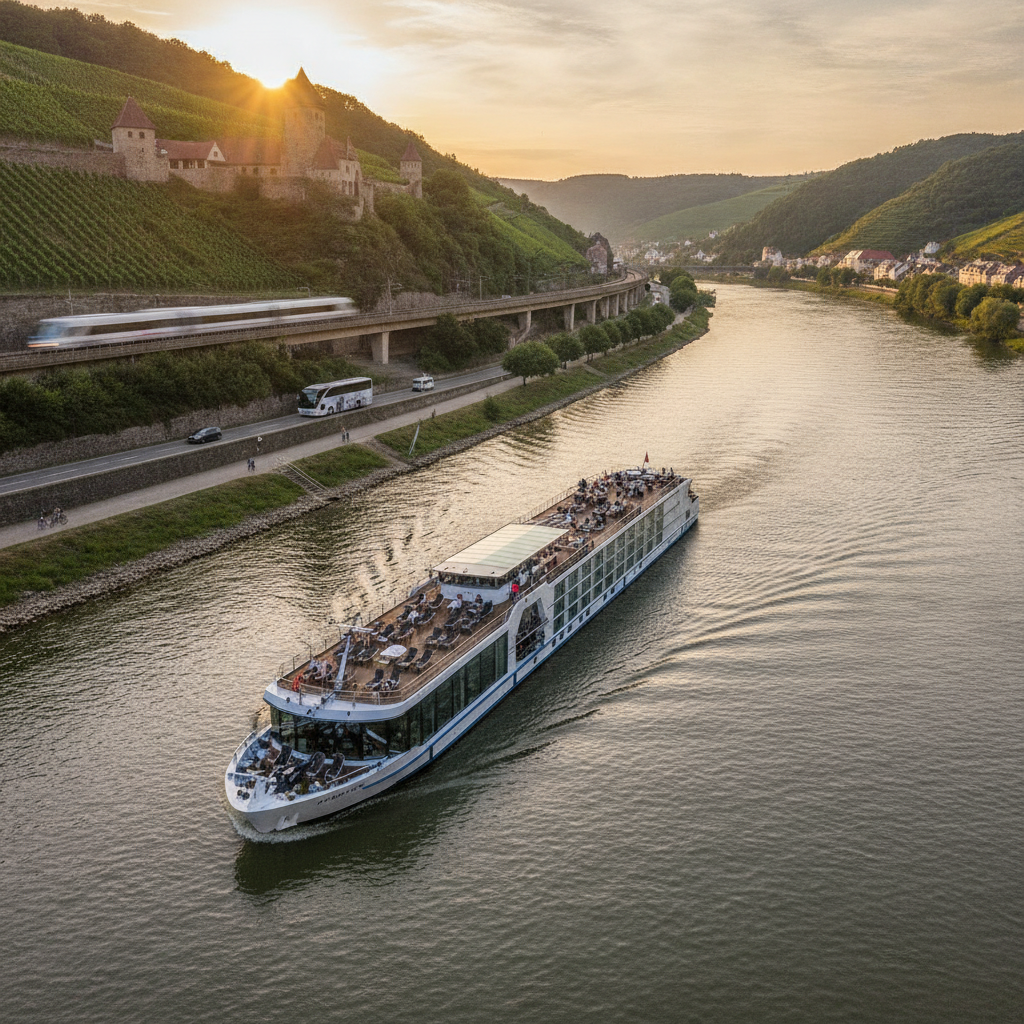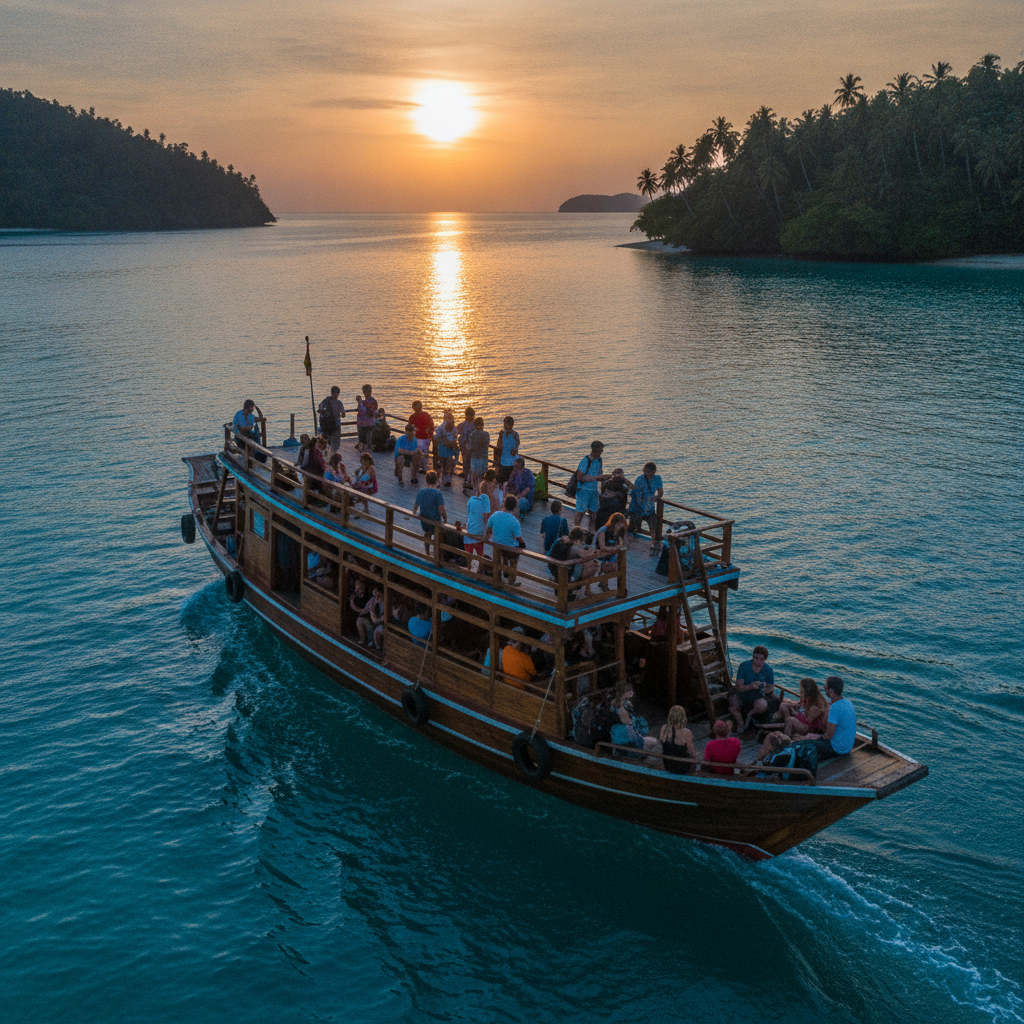
Island hopping across Southeast Asia by boat is one of the most rewarding ways to experience the region — and it's far more accessible than most travelers realize. The ferry networks connecting Thailand, Indonesia, the Philippines, and Vietnam have expanded considerably, making it possible to string together weeks of island travel without ever stepping into an airport terminal. If you've been defaulting to budget flights out of habit, the boat route deserves a serious look.
Research the Main Ferry Hubs Before You Go
Ferry travel in Southeast Asia isn't random — it flows through a handful of key hubs that connect dozens of smaller islands. In Thailand, Surat Thani and Krabi serve as major mainland gateways to the islands. In Indonesia, Bali and Lombok anchor a busy corridor that extends toward the Gili Islands and beyond. Knowing these hubs before you leave means you can plan logical routes rather than backtracking. Spend an hour mapping out which ports connect to your intended destinations — it'll shape your entire itinerary.
Use Booking Platforms Like 12Go Asia
12Go Asia has become a go-to resource for booking ferry and boat tickets across the region. The platform aggregates routes across Thailand, Vietnam, Indonesia, Cambodia, and the Philippines, often with real-time schedules and seat availability. It's especially useful for cross-border routes that are tricky to piece together from individual ferry operator websites. You won't always get the cheapest possible fare this way — buying directly at the pier can sometimes save a few dollars — but the convenience and visibility into options is worth it when you're planning in advance.
Time Your Travel Around the Weather Windows
Ferry schedules in Southeast Asia are heavily influenced by monsoon seasons, and routes that run smoothly in one month can be suspended entirely in another. The Andaman coast of Thailand, for example, tends to see reduced ferry services between May and October when swells pick up. The Gulf of Thailand side generally stays calmer through that same period. In Indonesia, the weather patterns vary significantly between the west and east. Checking seasonal conditions for your specific islands — not just the country as a whole — is one of the most important steps you can take before committing to a boat-heavy itinerary.
Buy Tickets at the Pier for Short Hops
For short, well-trafficked crossings, showing up at the pier and buying a ticket on the day is completely reasonable. Routes like Koh Samui to Koh Phangan or Lombok to the Gilis run multiple times daily and rarely sell out except during peak holiday periods around Christmas and Songkran. Buying on the spot lets you stay flexible — you can linger an extra day on an island without stressing about a prepaid ticket. Keep some local cash handy, since smaller pier operations don't always accept cards, and arrive at least 30 minutes before departure to account for boarding queues.
Plan Overnight Ferries for Longer Crossings
Some of the longer ferry routes in Southeast Asia double as overnight transport, which saves you both time and accommodation costs. The overnight boat from Chiang Rai through the Mekong to Luang Prabang in Laos is a well-known example, and several Indonesian routes operate similarly. Overnight ferries vary wildly in comfort — some offer private cabins and decent bedding, while others are little more than a seat on a deck. Checking reviews specifically for the vessel you'll be on (rather than the route in general) helps set accurate expectations. Bringing a sleeping bag liner and earplugs goes a long way.
Understand the Island-Hopping Logic in the Philippines
The Philippines operates differently from the rest of Southeast Asia because the country is made up of over 7,000 islands with no continuous land connection. Ferries here are more like domestic maritime transport than tourist hops. 2GO Travel operates a major inter-island network, connecting Manila with Cebu, Iloilo, Cagayan de Oro, and other significant ports. For shorter inter-island crossings in areas like the Visayas, smaller local bancas and pump boats fill in the gaps. The key is thinking in terms of island clusters — plan around groups like the Visayas or the Bacuit Archipelago near El Nido rather than trying to cross large open-water stretches by boat.
Pack Light Enough to Handle Pier Transfers
Ferry travel involves more physical logistics than flying, and that reality shows up fast when you're hauling a large backpack down a narrow pier ramp or stepping between a rocking boat and a floating dock. Keeping your luggage to a single carry-on size bag makes the whole experience significantly smoother. You'll be climbing in and out of boats, possibly wading through shallow water to reach a beach landing, and managing your gear without airport trolleys or checked baggage systems. A lightweight dry bag for valuables and electronics is worth having, especially on open-water crossings where splashing is common.
Factor Ferry Time Into Your Overall Schedule
One of the most common miscalculations travelers make is underestimating how much time ferry routes take compared to short flights. A flight between two Indonesian islands might be 45 minutes; the ferry equivalent could be five to eight hours. That's not a reason to avoid it — the scenery alone can make a long crossing memorable — but it does mean you need to build proper buffer into your itinerary. Avoid scheduling a ferry arrival on the same day as an international flight departure. Give yourself at least a day of cushion on either side of any long crossing, accounting for the possibility of weather-related delays.
Traveling between islands by ferry takes more planning than punching a route into a flight search engine, but the payoff is real. You see the coastlines, you move at a pace that actually lets the region sink in, and you spend considerably less in the process. Start by mapping out one small cluster of islands — the Koh Samui to Koh Tao corridor or Bali to Nusa Penida — and build from there. Once you get the rhythm of it, the boat becomes the obvious choice.