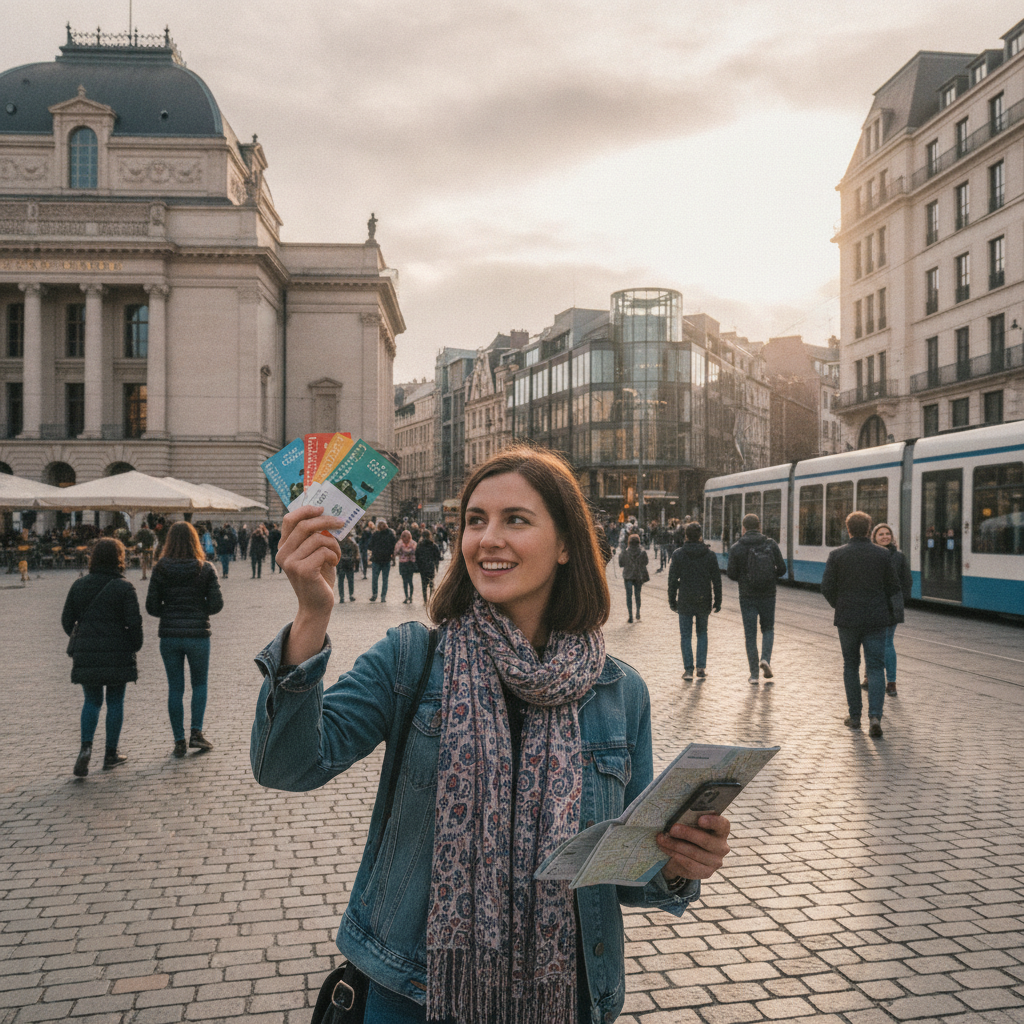
City tourism cards promise a lot — free museums, unlimited transit, restaurant deals, skip-the-line access — all wrapped in one tidy purchase. The pitch is compelling, especially when you're staring down a packed itinerary and a long list of entrance fees. But plenty of travelers buy a 72-hour card, use it for two attractions, and quietly absorb the loss without ever doing the math. Getting genuine value from these cards takes a little strategy, not just optimism.
Map Your Actual Itinerary Before You Buy
The most common mistake is buying a card based on the advertised highlights rather than your real plans. Before purchasing anything, write out every attraction you genuinely intend to visit, then look up the individual entry fees. The Amsterdam Iamsterdam Card, for example, covers the Rijksmuseum, Van Gogh Museum, and unlimited GVB transit — but only pays for itself if you're hitting four or more major venues. If your trip includes two museums and a lot of canal-side wandering, you might spend less buying tickets individually.
Separate the Transit Value From the Attraction Value
Many city cards bundle public transportation into their pricing, which can either be a genuine perk or dead weight depending on how you travel. In cities like Rome or Barcelona, where metro and bus access is relatively affordable on its own, the transit component adds modest value. In cities with expensive transit — Tokyo's Suica card territory being a notable exception — that bundled coverage can meaningfully offset the card's cost. Run both calculations separately: what you'd spend on transit alone, and what the attractions would cost without the card.
Choose the Right Duration, Not the Longest One
Tourism cards typically come in 24, 48, 72, and 96-hour tiers, and the temptation is to buy more time than you need as a safety net. That logic usually backfires. A longer card costs more upfront, and unless you're genuinely scheduling back-to-back attractions across several full days, the extra coverage often goes unused. Think realistically about your pace. If you prefer slow mornings, long lunches, and one or two highlights per day, a shorter card used intensively will almost always outperform a longer one used casually.
Check Which Attractions Are Actually Included
Card providers list their partner attractions prominently, but the fine print often reveals a more complicated picture. Some high-demand venues offer only discounted entry through the card rather than free access. Others require advance time-slot bookings that aren't always easy to secure once you've arrived. The Paris Museum Pass, one of the most widely used cards in Europe, covers permanent collections at most major museums but doesn't include temporary exhibitions, which can be the whole reason you're visiting. Read the inclusion list carefully before assuming your must-see venue is covered.
Factor In Skip-the-Line Access as Real Currency
One benefit that's easy to undervalue is queue bypassing. During peak travel season, popular sites like the Uffizi in Florence or the Sagrada Família in Barcelona can have waits that consume an hour or more of your day. A card that allows you to walk past that line has value beyond the entrance fee — it's giving you back time. That's especially true on short trips where every hour matters. When comparing a card's cost to individual ticket prices, account for whether those individual tickets would still require standing in the same lines.
Look for Lesser-Known Partners That Add Genuine Value
Beyond the flagship museums, most city cards include a longer tail of restaurants, boat tours, bike rentals, and smaller galleries that rarely get attention in marketing materials. These secondary partners can quietly tip the value calculation in your favor. A card that covers a harbor cruise in Copenhagen or a cooking class discount in Bologna adds something beyond the standard gallery circuit. Before dismissing a card as too expensive, scan the full partner list — sometimes a single unexpected inclusion makes the math work.
Use Digital Cards to Avoid Activation Timing Traps
Physical tourism cards typically activate the moment you first use them, which creates a timing problem if your first use is at 4 PM on a travel day when many attractions are closing. Digital versions, available through apps like Klook or directly through city card programs, often let you activate on demand and manage your window more precisely. Starting your card on a morning when you're ready to hit three or four venues back-to-back maximizes the coverage window significantly compared to burning the first evening on a single transit ride.
Don't Buy Cards at Airport Kiosks
Airport retail kiosks sell city cards at standard or slightly inflated prices, often without the promotional deals available online. Purchasing through the official city card website, or through reputable booking platforms, frequently includes small discounts, combination deals, or added extras that aren't available at point-of-arrival retail. It takes ten minutes of pre-trip planning to book the card before you land, and that small effort almost always pays off — either in direct savings or in having your access sorted before the jet lag sets in.
City tourism cards aren't inherently a good or bad deal — they're a tool, and like any tool, they work well when matched to the right job. The travelers who get the most out of them are the ones who do a quick audit before buying, choose coverage that fits their actual pace, and pay attention to the full list of what's included. A little homework before you leave turns a speculative purchase into a genuinely smart one. Start with your real itinerary, run the numbers honestly, and you'll know almost immediately whether a card is worth it for your trip.