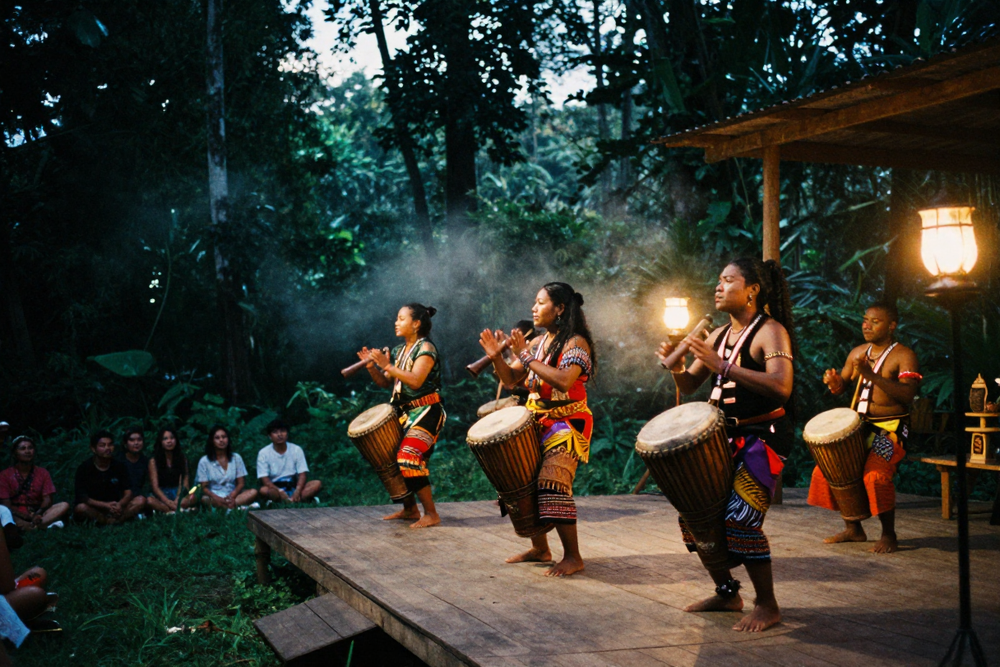
Music has long been a universal language, connecting people across borders, languages, and generations. Few experiences capture this sense of global connection as powerfully as world music festivals. Unlike genre-specific festivals, world music festivals celebrate diversity in sound, rhythm, and dance, often blending traditional instruments with contemporary interpretations. They offer more than just concerts—they create immersive cultural experiences where attendees can explore new sounds, meet people from different backgrounds, and engage with the vibrant tapestry of global music traditions.
From bustling city stages to remote village gatherings, world music festivals are found across continents, each offering unique interpretations of culture and creativity. Attending these events can transform a simple weekend getaway into an enlightening journey, providing insight into the traditions and histories of communities worldwide. Beyond entertainment, these festivals serve as platforms for cultural exchange, fostering understanding and appreciation for diverse art forms.
Africa: Where Rhythm Drives Connection
African music festivals often highlight the continent’s rich and varied traditions, from the polyrhythmic percussion of West Africa to the soulful melodies of South Africa’s jazz scene. Events such as the Lake of Stars Festival in Malawi blend local folk traditions with international performers, creating a space where music becomes a bridge between cultures.
Attendees can expect vibrant performances, participatory drum circles, and dance workshops. The festivals often take place in breathtaking natural settings, adding an immersive environmental component to the experience. In addition to performances, these festivals frequently incorporate art markets and local cuisine, allowing visitors to engage with culture holistically.
Europe: Classical Traditions Meet Contemporary Flair
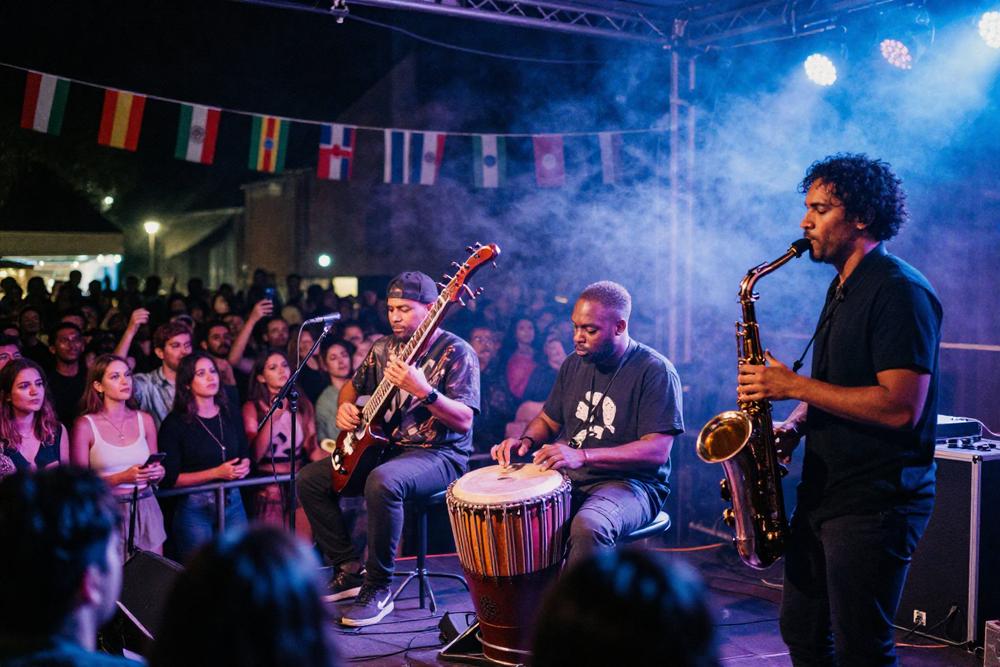
Europe’s world music festivals are as diverse as its cultures. Cities like Barcelona, Berlin, and Prague host events that showcase traditional folk instruments alongside experimental interpretations. The Sfinks Festival in Belgium, for example, brings together musicians from Africa, Asia, and the Americas, creating a cross-continental dialogue through sound.
These festivals often emphasize collaboration, with artists performing together in unique ensembles that might combine Indian classical sitar with European jazz, or African percussion with contemporary electronic music. Attending such events offers audiences not just a listening experience, but a chance to witness music evolve in real time as different traditions intersect.
Asia: Ancient Rhythms, Modern Stages
Asia’s world music festivals highlight the continent’s deep-rooted musical traditions while embracing modern experimentation. The Rainforest World Music Festival in Malaysia is a prime example, bringing together indigenous performers, global artists, and enthusiastic audiences in the heart of a tropical rainforest. The natural environment adds a unique dimension, making each performance feel deeply connected to the earth.
Similarly, festivals in India and Japan often blend classical music with contemporary global influences, allowing attendees to experience centuries-old traditions in a modern context. Dance workshops, instrument demonstrations, and hands-on sessions are common, giving participants an active role in the cultural exchange. These events are both educational and entertaining, providing insight into the origins of the music while celebrating its ongoing evolution.
The Americas: A Fusion of Traditions
In North and South America, world music festivals often highlight multiculturalism and the blending of heritage with innovation. The World Music Festival in Chicago, for instance, brings together artists representing Latin, African, Caribbean, and Indigenous music traditions. Similarly, in Brazil, festivals like Festival de Inverno de Campos do Jordão combine classical, folk, and Afro-Brazilian rhythms, creating dynamic performances that celebrate cultural diversity.
These festivals not only entertain but also serve as platforms for dialogue, emphasizing the role of music in promoting unity and cross-cultural understanding. Dance and percussion workshops are common, allowing attendees to participate actively rather than simply observe. The experience becomes both immersive and interactive, reinforcing the communal nature of music.
Australia and Oceania: Remote Locations, Global Sounds
In Australia and neighboring regions, world music festivals often take place in unique landscapes—from coastal towns to outback settings—adding a visual spectacle to the auditory experience. Festivals like Woodford Folk Festival in Queensland attract global performers while emphasizing community, sustainability, and creativity.
Performances often blend indigenous musical traditions with contemporary styles, highlighting the ongoing cultural evolution in these regions. Beyond music, these festivals frequently include art installations, storytelling sessions, and workshops on traditional crafts, providing a holistic cultural immersion that goes far beyond listening to music.
Why World Music Festivals Matter
World music festivals offer more than entertainment; they provide spaces for cultural appreciation, social connection, and personal growth. Attendees are exposed to musical forms they may never have encountered, often leaving with a deeper understanding of global cultures and histories. Beyond the music itself, the communal atmosphere encourages social interaction, collaboration, and the creation of lasting memories.
These festivals also play a role in preserving cultural heritage. By highlighting traditional instruments, dances, and songs, they help ensure that musical forms are passed down to new generations while inspiring innovation among contemporary artists. They celebrate both continuity and transformation, showing that culture is dynamic and inclusive.
Tips for Experiencing World Music Festivals
For first-time attendees, planning is key. Research the festival’s lineup to identify performances and workshops that align with your interests. Arrive with an open mind and be ready to explore unfamiliar sounds and rhythms. Engage with workshops, dance sessions, and interactive experiences to make the most of the cultural immersion. Finally, embrace the social aspect—festivals are as much about connecting with fellow attendees as they are about enjoying the music.
Across Africa, Europe, Asia, the Americas, and Oceania, these festivals provide immersive opportunities to learn, connect, and participate in diverse musical traditions. They remind us that music is a universal language capable of bridging cultural gaps, fostering community, and inspiring creativity.
For travelers and music enthusiasts alike, attending a world music festival is more than just a leisure activity—it’s an opportunity to witness the vibrancy of cultures worldwide, engage with people from diverse backgrounds, and celebrate the enduring power of music to unite, educate, and inspire.