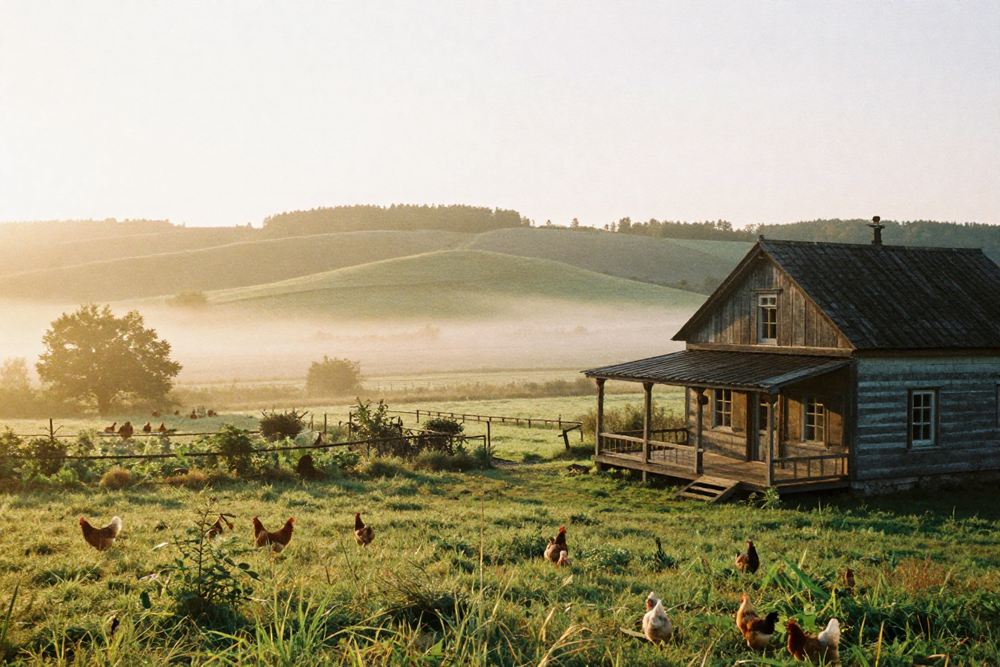
In a world dominated by bustling cities, constant notifications, and fast-paced schedules, the allure of rural living is becoming increasingly apparent. For many, moving to the countryside offers a chance to step back, reconnect with nature, and embrace a lifestyle that prioritizes quality of life over the rapid rush of urban environments. Rural living is more than just a change of scenery—it is a shift in perspective, daily routines, and even mental and physical well-being.
The Pace of Life in Rural Areas
One of the most defining aspects of rural living is the slower rhythm of life. Without the pressure of crowded commutes, long traffic jams, and perpetual deadlines, residents often find themselves with more time for personal pursuits, family, and community engagement. Days are structured around natural rhythms—sunrise, sunset, and seasonal changes—rather than rigid office hours or city events.
This slower pace allows for intentionality in everyday activities. Morning walks, tending to gardens, or preparing meals from scratch can replace hurried routines and fast food convenience. Even seemingly small changes, like watching the stars from an open field or listening to the sound of birds, contribute to a greater sense of mindfulness and presence. Living in this manner fosters a slower, more reflective approach to life that is often lost in urban settings.
Wide Open Spaces and the Connection to Nature
Rural living offers something that city life rarely provides: space. Expansive fields, rolling hills, and forests provide not only aesthetic beauty but also practical benefits for mental and physical health. Studies consistently show that access to natural environments reduces stress, lowers blood pressure, and promotes overall well-being. The simple act of walking in a wooded area or sitting by a river can help reset the mind and encourage a sense of calm and focus.
For families, wide open spaces mean children have room to explore, play, and interact with the natural world. Gardens, farms, and backyards become places of learning and experimentation. Adults benefit too, whether it’s through outdoor hobbies like hiking, bird-watching, or stargazing. The sense of openness also fosters creativity, as the absence of constant noise and congestion allows for mental space and clarity.
Community and Connection
While rural areas are often less densely populated, they tend to offer strong community bonds. Residents typically know their neighbors, local businesses, and community organizations personally, creating a network of support that can be both practical and emotional. Events like farmers’ markets, town fairs, and seasonal celebrations serve as opportunities to strengthen these connections.
This communal environment can enhance the feeling of belonging and reduce the social isolation sometimes experienced in sprawling urban centers. In rural settings, interactions are often more genuine and less transactional, promoting deeper relationships and mutual assistance. This sense of connectedness is a key draw for people seeking a more meaningful, grounded lifestyle.
Economic Considerations and Sustainability
Rural living can also offer financial advantages. Housing and land are typically more affordable than in major cities, making it possible to own larger properties or pursue farming, gardening, or other self-sustaining practices. Many rural residents engage in small-scale agriculture, livestock management, or local crafts, which not only provide income but also reinforce a connection to the land.
Moreover, living closer to natural resources encourages more sustainable habits. Many rural households rely on local food sources, rainwater collection, or solar energy, integrating eco-conscious practices into their daily lives. This connection to sustainability can be both empowering and fulfilling, as individuals feel they are actively participating in the stewardship of their environment.

Challenges of Rural Living
Despite its many benefits, rural living is not without challenges. Access to healthcare, education, and entertainment options may be limited compared to urban areas. Commutes to work or specialty services can be longer, and public transportation is often sparse or nonexistent. Connectivity, including internet and mobile networks, may be less reliable, which can impact remote work or online education.
However, for many, these challenges are outweighed by the benefits of peace, space, and community. Planning, adaptability, and a willingness to embrace a different pace of life are key to thriving in a rural environment. Many residents find creative solutions, such as telecommuting, local co-ops, or community-organized events, to bridge gaps in services and social opportunities.
Mental and Physical Health Benefits
Rural living offers distinct advantages for both mental and physical health. Reduced noise pollution, cleaner air, and lower levels of urban stressors contribute to a calmer, healthier lifestyle. Physical activity is often built into daily routines naturally, whether it’s farming, walking to neighbors, or maintaining a large property.
Additionally, the connection to natural cycles—daylight, seasons, and agricultural rhythms—encourages better sleep, more consistent eating patterns, and a sense of alignment with the environment. The mental clarity afforded by open spaces and fewer distractions also supports creativity, problem-solving, and emotional resilience.
Why People Are Choosing Rural Living Today
Remote work, flexible schedules, and improved digital infrastructure have made rural living more feasible than ever. People are discovering that it’s possible to remain connected professionally while embracing a lifestyle that values simplicity, space, and meaningful relationships.
Whether motivated by health, financial considerations, or the desire for community, the appeal of rural living is clear. It offers a chance to slow down, reconnect with nature, and live intentionally, all while enjoying the benefits of wide-open spaces that encourage freedom, creativity, and personal growth.
Rural living is more than just a relocation—it’s a lifestyle choice that prioritizes balance, mindfulness, and connection. The slower rhythms, expansive landscapes, strong community bonds, and potential for sustainable practices create a unique quality of life that many urban dwellers long for. While challenges exist, the rewards of mental clarity, physical health, and a deeper connection to the world around you make rural living an increasingly attractive option. For those willing to embrace it, life in the countryside offers a sense of freedom, purpose, and peace that is hard to find anywhere else.