Nomadic Lifestyles: How Modern Travelers Combine Work and Exploration
Emerson Gray
2026-01-19
6 min read

The idea of a “nomadic lifestyle” used to conjure images of caravans, wandering tribes, or seasonal migrations. Today, a new generation of nomads is emerging—individuals who blend travel with work, leveraging technology to explore the world without sacrificing income or productivity. This modern nomadic lifestyle has grown rapidly, fueled by the rise of remote work, digital entrepreneurship, and the desire for experiences over material possessions. For those seeking freedom, adventure, and meaningful work, the nomadic way of life offers a unique balance that challenges traditional career and lifestyle norms.
The Appeal of the Nomadic Lifestyle
For many, the traditional 9-to-5 routine feels restrictive, tethering people to a single location and limiting opportunities for exploration. The modern nomadic lifestyle promises a more flexible approach. Instead of living in one place year-round, nomads move regularly—sometimes city to city, other times country to country—while maintaining careers that allow them to earn and thrive.
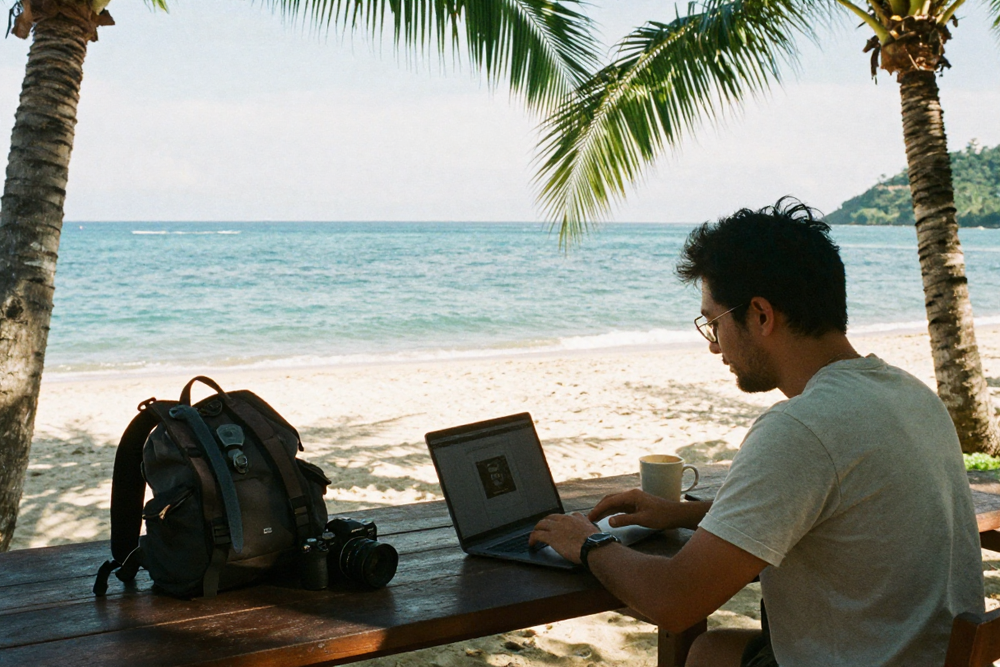
The appeal lies in the freedom to choose one’s environment. One month, a nomad might wake up to a sunrise over a coastal village in Thailand; the next, they could be enjoying the energy of a bustling European city. Beyond the aesthetics of travel, this lifestyle allows individuals to immerse themselves in new cultures, languages, and communities while continuously broadening their perspectives.
Many modern nomads are motivated not just by adventure but also by personal growth. By living outside the comfort of familiar routines, they develop adaptability, problem-solving skills, and cultural intelligence. These experiences often enhance creativity, increase resilience, and inspire innovation, both personally and professionally.
Work on the Move: The Role of Technology
The feasibility of a nomadic lifestyle is closely tied to technological advancements. Reliable internet access, cloud-based tools, and portable devices have made it possible for professionals to work from virtually anywhere. Remote work roles, digital entrepreneurship, freelancing, and consulting are the most common pathways for nomads.
Cloud storage and collaboration tools allow teams to operate seamlessly across time zones, while video conferencing enables virtual meetings and client interactions from coffee shops, coworking spaces, or co-living hubs. Platforms like Trello, Asana, Slack, and Notion help nomads stay organized and connected, ensuring that physical distance doesn’t compromise productivity.
Many nomads also leverage specialized online platforms to find work opportunities. Freelance marketplaces, remote job boards, and networking communities connect travelers with projects that match their skills and schedules. Some take on multiple streams of income—freelance writing, consulting, online teaching, or selling digital products—ensuring flexibility and financial stability while exploring the world.
Finding Balance Between Work and Exploration
One of the central challenges of the nomadic lifestyle is balancing work responsibilities with the desire to explore. Without the structure of a traditional office, it’s easy to overwork or, conversely, get distracted by the allure of new surroundings. Successful nomads learn to establish routines that allow both productivity and leisure.
Many adopt time-blocking strategies, dedicating mornings to work tasks and afternoons to exploration, or vice versa. Others embrace a “work in bursts” approach, tackling high-priority tasks intensively and using remaining hours for travel and experiences. Co-living and coworking spaces have emerged as popular solutions, offering nomads environments designed for focused work alongside social interaction and networking opportunities.
Importantly, boundaries are crucial. Setting clear start and end times for work, maintaining a consistent workspace even while traveling, and using productivity tools to manage tasks helps nomads maintain a sustainable rhythm. By respecting these boundaries, the nomadic lifestyle becomes less chaotic and more structured, allowing for consistent output without sacrificing adventure.
Choosing Destinations as a Nomad
Modern nomads often select destinations based on a combination of factors: cost of living, internet reliability, climate, culture, and accessibility. Cities in Southeast Asia, South America, and Eastern Europe are particularly popular due to affordable living, vibrant expatriate communities, and reliable infrastructure. Meanwhile, some nomads prefer coastal towns or scenic rural areas, prioritizing lifestyle and wellness over convenience.
Cultural engagement is a hallmark of successful nomadic living. Those who embrace local customs, learn languages, and participate in community activities often experience a deeper connection to their surroundings. This cultural immersion enriches both personal growth and professional creativity, offering insights and inspiration that traditional office environments rarely provide.
Challenges of Nomadic Life
While the nomadic lifestyle offers freedom and flexibility, it also comes with unique challenges. Maintaining consistent internet access, managing time zone differences with clients, and navigating visa restrictions can create logistical hurdles. Additionally, frequent relocation may lead to feelings of isolation or the need to constantly rebuild social networks.
Financial planning is another critical factor. Nomads must budget carefully, often accounting for fluctuating accommodation costs, travel expenses, health insurance, and unexpected emergencies. Those who plan ahead and maintain an emergency fund are better equipped to handle these uncertainties without stress.
The Future of Nomadic Living
The nomadic lifestyle is likely to continue growing as more companies embrace remote work and technology becomes increasingly mobile. Innovations such as 5G connectivity, AI-powered productivity tools, and digital nomad visas are making it easier to work from anywhere. As this lifestyle becomes more mainstream, nomads will have access to improved infrastructure, coworking hubs, and supportive communities that facilitate a sustainable balance of work and exploration.
For many, this lifestyle represents more than just travel; it embodies freedom, autonomy, and intentional living. By combining professional aspirations with the pursuit of meaningful experiences, modern nomads are redefining the concept of work-life balance for the 21st century.
The nomadic lifestyle is no longer reserved for dreamers or the ultra-adventurous—it is a viable option for those willing to embrace flexibility, adaptability, and technology. By leveraging digital tools, establishing boundaries, and carefully selecting destinations, modern travelers can build a life that blends meaningful work with cultural exploration.
Living as a nomad requires planning, resilience, and intentionality, but the rewards are substantial. Greater personal growth, global perspective, and enriched experiences await those who dare to step outside traditional routines. For anyone seeking a lifestyle that merges work and adventure, the nomadic path offers an inspiring roadmap for the modern world.
More Trending Articles


Country Music Festivals: Experiencing Americana Through Live Performances
Sofia Rodriguez
2026-01-30