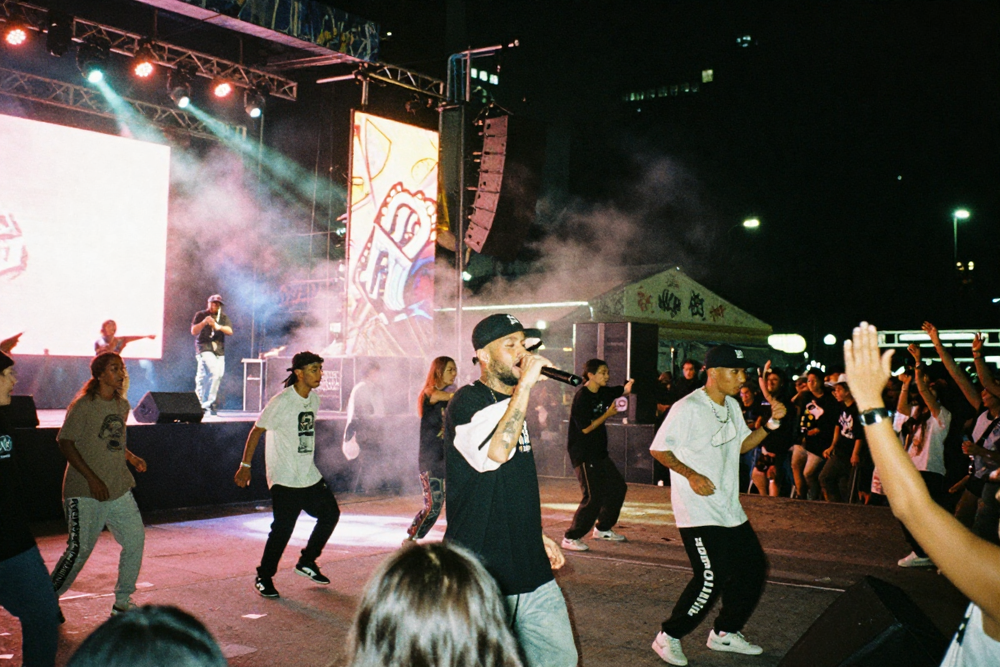
Hip-hop is more than just a genre—it’s a global cultural movement. From its origins in the Bronx during the 1970s to dominating music charts and pop culture today, hip-hop has become a unifying force that blends music, dance, art, and fashion. This influence is vividly expressed in urban music festivals, events that not only celebrate the art form but also bring together diverse communities from around the world. These festivals have evolved from local block parties into internationally recognized experiences, offering fans an immersive dive into hip-hop’s rich culture.
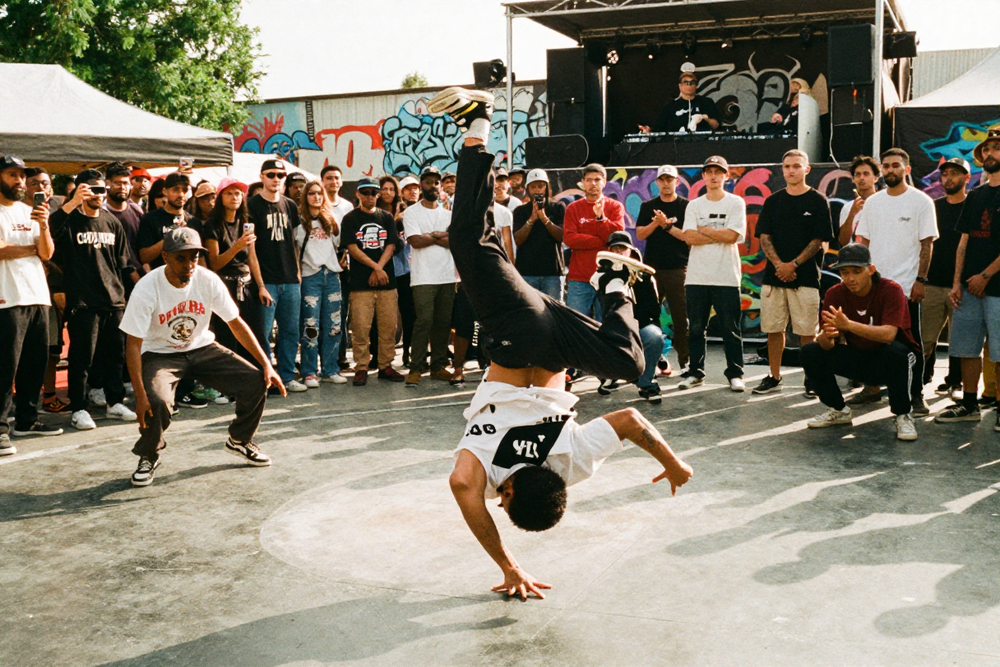
Urban music festivals are unique because they merge performance with participation. Attendees don’t just watch—they engage with the culture. Breakdancing battles, graffiti exhibitions, fashion showcases, and DJ workshops often accompany live performances, creating an environment where street culture thrives and evolves. These festivals transform the traditional concert experience into a multi-sensory celebration, appealing to longtime enthusiasts, casual fans, and curious newcomers alike.
The Origins and Evolution of Hip-Hop Festivals
Hip-hop festivals have their roots in community gatherings and block parties, where DJs, MCs, and dancers showcased their talents. These early events emphasized creativity, expression, and community, reflecting the struggles and aspirations of urban neighborhoods. Over time, as hip-hop’s influence expanded globally, these gatherings transformed into large-scale festivals featuring multiple stages, international artists, and corporate sponsorships.
Today, festivals like Rolling Loud, Hip Hop Kemp, and Wireless Festival are major cultural events. Rolling Loud, for example, attracts top-tier hip-hop artists from the U.S., Europe, and beyond, creating an international lineup that mirrors hip-hop’s global reach. These festivals combine high-energy performances with immersive experiences, highlighting everything from streetwear to local culinary offerings. The evolution of these festivals illustrates how hip-hop has maintained its grassroots ethos while embracing mainstream popularity.
A Cultural Hub Beyond Music
What sets hip-hop festivals apart is the emphasis on culture and lifestyle. While live music is the primary draw, festivals often showcase elements intrinsic to hip-hop’s identity. Breakdance competitions, or “b-boy battles,” allow dancers to display skill, athleticism, and creativity, continuing the tradition of street dance that has been central to hip-hop for decades. Graffiti exhibitions celebrate visual artistry, giving attendees a chance to witness works that often challenge societal norms and push creative boundaries.
Fashion is another essential element. Streetwear brands, sneaker drops, and collaborative collections are often integrated into the festival experience, reflecting hip-hop’s influence on global fashion trends. Fans flock not only to watch performances but also to see artists’ style and express their own, creating a visual tapestry that complements the music. For many attendees, fashion and music are inseparable, forming an authentic representation of the culture.
Global Reach and Diversity
One of the most remarkable aspects of hip-hop festivals is their international appeal. While rooted in American urban culture, hip-hop has transcended borders, inspiring artists and audiences worldwide. Festivals in Europe, Asia, and Africa showcase local talent alongside international headliners, creating a cross-cultural exchange that enriches the experience for all attendees. For example, Hip Hop Kemp in the Czech Republic brings together artists from across Europe, Africa, and North America, highlighting the global evolution of the genre.
This international scope allows audiences to experience a diverse array of subgenres, from classic East Coast and West Coast sounds to trap, grime, Afrobeat-infused hip-hop, and K-hip-hop. Fans gain exposure to unique styles, regional variations, and emerging talent, broadening their understanding of the genre’s depth and adaptability.
Engaging Fans Beyond the Stage
Hip-hop festivals increasingly prioritize fan interaction and engagement. Meet-and-greets, Q&A panels, artist workshops, and interactive installations give attendees an opportunity to connect directly with performers. These interactions make the festival experience more intimate and memorable, fostering a sense of community that extends beyond the event itself.
Technology also plays a role in engagement. Festival apps provide schedules, live updates, and artist information, enhancing the attendee experience and allowing fans to customize their festival journey. Social media platforms amplify the festival experience, enabling attendees to share moments, discover new artists, and connect with fans worldwide. This digital integration further reinforces hip-hop’s global community while keeping the focus on connection and culture.
The Social Impact of Hip-Hop Festivals
Beyond entertainment, urban music festivals often serve as a platform for social commentary and activism. Many events highlight issues such as racial inequality, youth empowerment, and community development, echoing hip-hop’s origins as a voice for marginalized communities. Artists and organizers use the festival stage to raise awareness, encourage dialogue, and promote positive change, making these gatherings more than just music events—they are cultural movements in motion.
Additionally, festivals can stimulate local economies and tourism. Cities hosting major hip-hop events often see boosts in hospitality, food, and retail sectors, while also attracting international attention. This economic and cultural impact reinforces the festival’s role as a vital contributor to both local and global communities.
Why Hip-Hop Festivals Continue to Thrive
Hip-hop festivals endure because they are dynamic, inclusive, and constantly evolving. They celebrate music, fashion, dance, and art while providing a space for fans to connect, express themselves, and experience culture firsthand. The genre’s adaptability allows festivals to remain relevant, incorporating new trends, technologies, and subcultures without losing sight of its roots.
For fans, attending a hip-hop festival is more than listening to music—it’s an immersive experience that engages all senses, creates lasting memories, and fosters a sense of belonging within a vibrant, global community. The combination of high-energy performances, cultural exhibitions, and interactive engagement ensures that hip-hop festivals will remain a defining element of contemporary music and culture for years to come.
They are spaces where music, dance, art, and fashion converge, reflecting the creativity, resilience, and innovation at the heart of hip-hop culture. Whether you’re a longtime fan or discovering the genre for the first time, these festivals offer a window into a world that is vibrant, inclusive, and continuously evolving. More than concerts, they are cultural hubs where global audiences unite to celebrate art, expression, and community—proof that hip-hop’s impact extends far beyond the music itself.