City life is often associated with energy, opportunity, and endless activity. For many, the urban environment represents the pinnacle of career prospects, cultural experiences, and social connectivity. The fast-paced rhythm of a city can be exhilarating, offering a lifestyle filled with diversity, excitement, and innovation. Yet, thriving in this environment requires a combination of adaptability, organization, and self-awareness. Without a deliberate approach, the same city that promises opportunity can quickly become overwhelming.
Urban living presents unique advantages that are hard to replicate in suburban or rural areas. Cities are hubs for employment, education, and creative pursuits. With a concentrated population, residents gain access to cultural institutions, specialized services, and networking opportunities on a scale few other settings can match. From museums and theaters to tech startups and coworking spaces, the city offers constant avenues for personal and professional growth.
Managing the Fast-Paced Lifestyle
The fast pace of city living can be a double-edged sword. Commuting through crowded streets, balancing work demands, and navigating bustling social calendars can lead to stress if not managed effectively. Thriving requires strategies that prioritize both productivity and well-being.
One of the most important skills is time management. In a city, the sheer volume of opportunities can create decision fatigue. Knowing which activities to prioritize and which to delegate or decline helps maintain focus and energy. Planning the day strategically, whether by grouping errands geographically or setting clear work-life boundaries, allows city dwellers to make the most of their time without burning out.
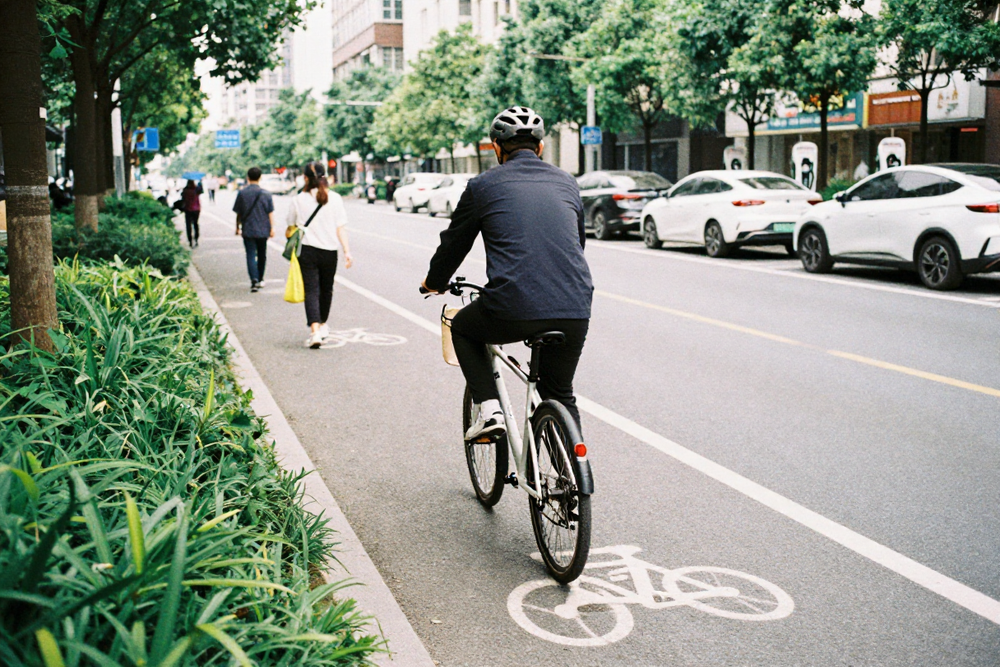
Transportation is another key consideration. Many urban environments rely on a combination of public transit, cycling, and walking. Familiarity with routes, schedules, and peak hours can transform a stressful commute into a productive or even enjoyable part of the day. Some city residents use commuting time to listen to podcasts, catch up on reading, or practice mindfulness exercises, turning otherwise wasted hours into valuable personal development moments.
Finding Your Community
Cities may be dense, but that doesn’t automatically translate to a sense of community. Thriving socially in a fast-paced environment requires intentionality. Finding neighborhoods, clubs, or social circles that align with your interests can create a sense of belonging. Whether through professional networking events, hobby-based groups, or volunteer opportunities, making connections provides both emotional support and opportunities for growth.
Local coffee shops, coworking spaces, and cultural venues often act as informal hubs where relationships form naturally. Consistently showing up in these spaces allows familiarity to develop, which can lead to friendships, collaborations, and professional partnerships. In an environment where everyone is busy, consistency and initiative are often what set thriving city dwellers apart from those who feel isolated.
Balancing Work and Life
In many cities, career opportunities come with a fast pace and high expectations. While this can accelerate professional development, it also carries the risk of imbalance. Thriving requires a conscious effort to maintain personal well-being alongside career advancement.
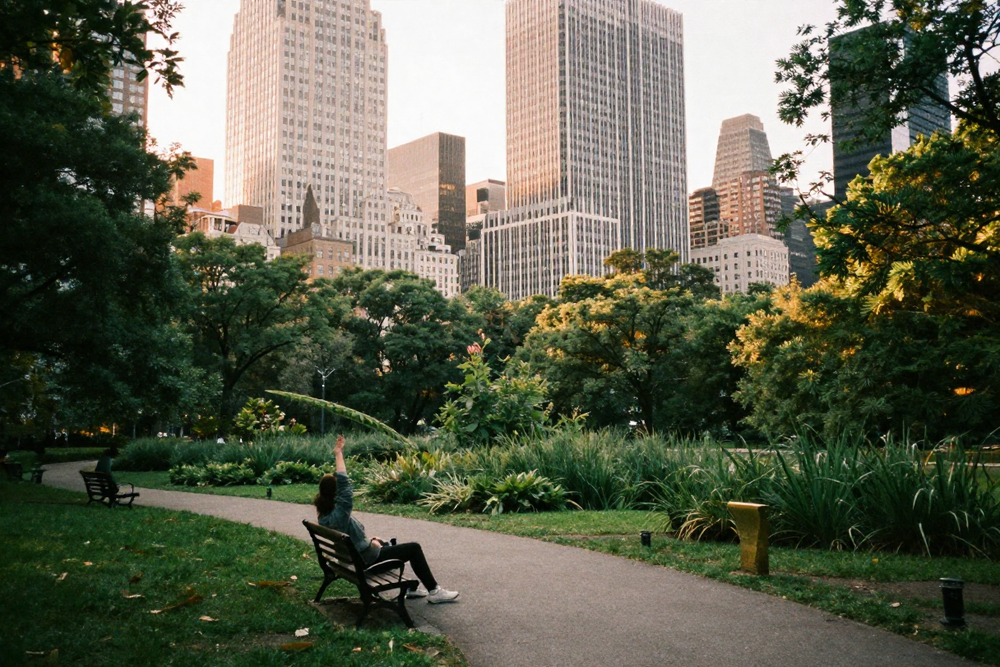
Urban residents benefit from integrating downtime into their routines. Parks, recreational centers, and urban trails provide opportunities to disconnect from work and recharge. Scheduling personal time—whether for exercise, hobbies, or quiet reflection—prevents burnout and ensures sustainable energy for both professional and social commitments.
Technology can be both a boon and a challenge in this context. Smartphones, social media, and messaging apps keep city dwellers connected, but they can also blur boundaries between work and personal life. Deliberate strategies, such as setting device-free hours, prioritizing in-person interactions, and limiting notifications, help maintain focus and presence in both work and leisure activities.
Embracing the Culture and Diversity
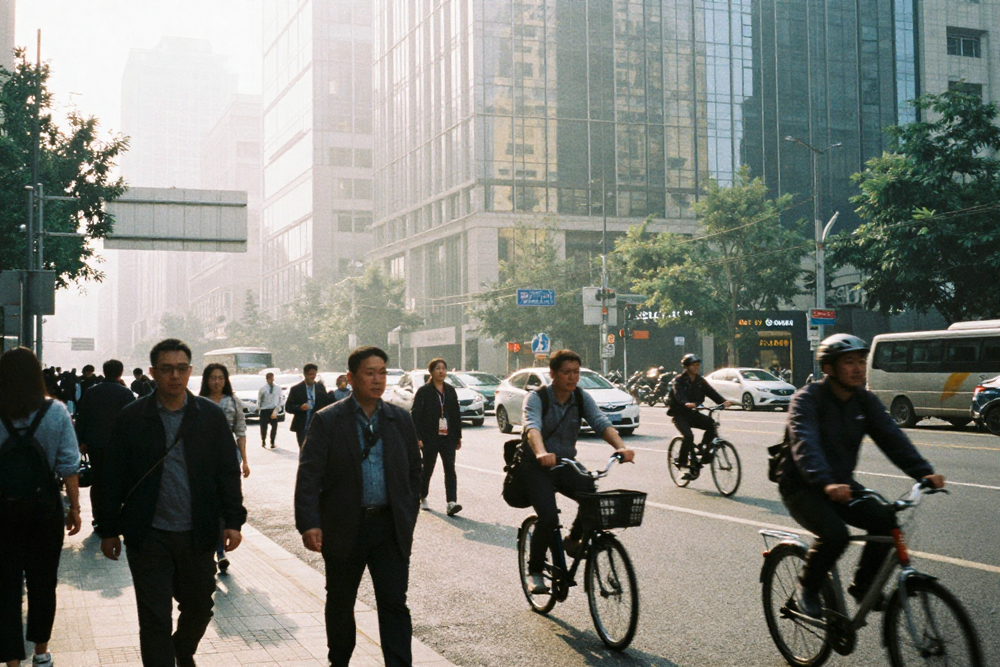
Cities are melting pots of culture, ethnicity, and lifestyle. Thriving in an urban environment means embracing this diversity. Exposure to different perspectives, cuisines, art forms, and languages enriches life and fosters adaptability. Cultural engagement also enhances social connections, as participating in local events, exhibitions, or festivals often leads to meeting like-minded individuals.
Adopting a mindset of curiosity rather than overwhelm allows residents to turn the density of city life into a learning experience. Walking unfamiliar streets, exploring new neighborhoods, and sampling local food or music scenes contribute to a sense of discovery and excitement. Cities reward those who engage proactively with their surroundings rather than passively observing from the sidelines.
Maintaining Health and Wellness
Thriving in a city isn’t just about professional or social success—it’s also about physical and mental health. Urban living presents challenges such as pollution, noise, limited green spaces, and sedentary office routines. However, opportunities abound to counteract these stressors. Gyms, yoga studios, cycling infrastructure, and running clubs encourage active lifestyles. Healthy restaurants, juice bars, and farmer’s markets provide easy access to nutritious options.
Mental health is equally critical. Meditation apps, urban retreat spaces, and counseling services make it possible to manage stress proactively. Many city dwellers also benefit from integrating micro-breaks into their day, whether stepping outside for sunlight, practicing mindful breathing, or taking short walks to recharge between tasks.
Leveraging Opportunities for Growth
Thriving in a fast-paced urban environment is ultimately about leveraging the resources around you. Cities are dense ecosystems of opportunity. Educational programs, workshops, networking events, and cultural institutions are often more accessible and varied than in smaller towns. Taking advantage of these resources enhances personal growth, professional development, and social enrichment.
Furthermore, living in a city cultivates resilience. The fast pace, diverse population, and high expectations teach adaptability, problem-solving, and self-reliance—skills that are invaluable in both professional and personal contexts. Those who learn to navigate city life efficiently often find themselves better equipped to manage complex challenges anywhere in the world.
Thriving in a fast-paced urban environment requires deliberate time management, intentional social connections, balance between work and personal life, and proactive engagement with health and wellness. It is a lifestyle that rewards curiosity, adaptability, and consistency. By embracing these principles, city dwellers can turn the challenges of urban living into a rich, fulfilling, and dynamic experience—one that continuously fuels personal growth, professional achievement, and social fulfillment.
In the end, thriving in the city is not just about surviving the pace—it’s about learning to dance with it, turning the energy and diversity of urban life into a source of inspiration and opportunity.