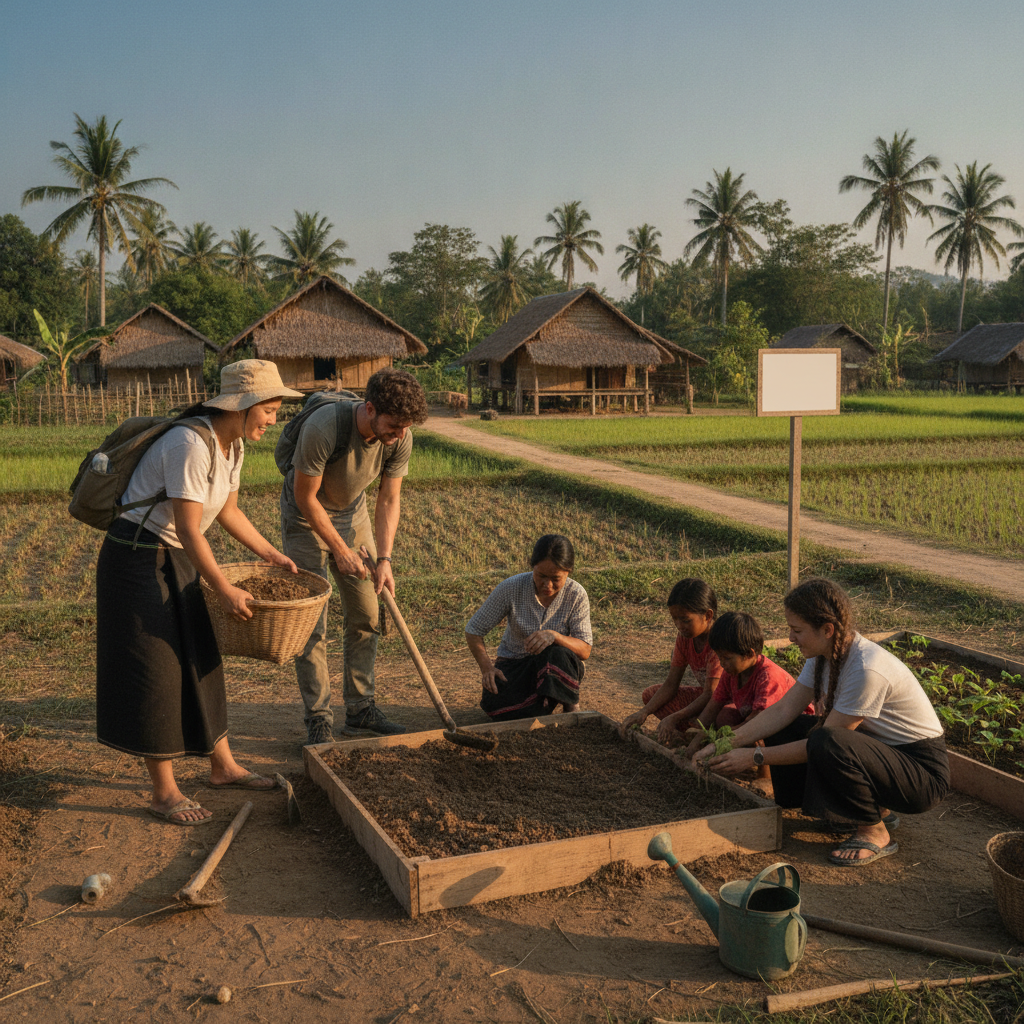
Accommodation is one of the biggest budget drains in long-term travel, and for many travelers, it's the line item that determines whether an extended trip is even possible. Volunteer tourism platforms offer a practical alternative — one where your skills and time replace a nightly rate, and where you often leave a place having contributed something real. This approach isn't just budget-friendly; it fundamentally changes the texture of the experience.
Understand What You're Actually Signing Up For
Volunteer tourism, sometimes called voluntourism, works on a straightforward exchange: you offer a set number of hours per day doing meaningful work for a host, and in return, you receive accommodation, often meals, and access to a community you'd otherwise pass through as a tourist. Platforms like Workaway, WWOOF, and HelpX connect travelers with hosts across dozens of countries. The arrangement usually runs four to five hours of work daily, leaving the rest of your time free to explore. Before committing, read host descriptions carefully — what counts as "meaningful work" varies widely, from organic farming to hostel reception shifts.
Choose the Right Platform for Your Skills and Goals
Workaway is the most broadly used platform, with hosts ranging from eco-farms in Costa Rica to guesthouses in rural Portugal. WWOOF (World Wide Opportunities on Organic Farms) is purpose-built for agricultural placements and tends to attract travelers who want a more grounded, land-based experience. HelpX sits somewhere in the middle, leaning toward small accommodations and homesteads. Each platform charges a modest annual membership fee rather than per-placement costs. Your choice should reflect what you want to do daily — someone who wants hands-on conservation work has different needs than someone offering graphic design skills to a small community arts project.
Vet Hosts Thoroughly Before Committing
Reviews on volunteer platforms are your most reliable tool. Look for patterns across multiple reviews rather than placing too much weight on one glowing write-up. Hosts with dozens of consistent reviews describing a well-organized schedule, clear communication, and safe facilities are worth prioritizing. Pay attention to how recently those reviews were posted — a host praised two years ago may have changed ownership or standards since. Before confirming, exchange several messages with the host to ask about the exact work involved, living arrangements, wifi access, and what a typical day looks like. This vetting step protects both your time and your safety.
Align Placement Length With Your Travel Rhythm
Most platforms recommend a minimum of one to two weeks per placement. Shorter stays rarely give you enough time to contribute meaningfully or settle into the rhythm of a host's operation. Longer stays — three to four weeks — tend to produce the most rewarding exchanges for both sides. They also significantly change your cost structure. A three-week placement in Oaxaca, Mexico or on a working farm in Tuscany can eliminate your accommodation budget for that portion of the trip entirely, which frees up funds for higher-cost destinations on either side. Building your itinerary around anchor placements, then filling gaps with standard accommodation, is one of the most practical ways to stretch a travel budget.
Be Honest About Your Skills and Availability
Hosts invest real time training and hosting volunteers, so misrepresenting your abilities wastes everyone's resources. If you've listed carpentry as a skill, expect to use it. If you're a strong copywriter but have no farming experience, seek out a digital-forward host who needs content help rather than a rural homestead that needs physical labor. Many platforms allow you to specify the type of work you're willing and able to do. Being precise on your profile attracts better-matched opportunities and reduces the awkward friction of arriving at a placement where expectations don't align.
Use Placements as Cultural Access Points
One of the quieter advantages of volunteer tourism is how deeply it moves you past the surface layer of a destination. Working alongside local families in a community in Chiang Mai or maintaining trails in a nature reserve in rural New Zealand gives you access to conversations, meals, and daily rhythms that no hotel stay replicates. Many experienced travelers describe this as the dimension that finally made long-term travel feel purposeful rather than aimless. The work itself creates a shared context — and that context is often where the most memorable parts of a trip take shape.
Manage Legal and Visa Considerations Carefully
Volunteer exchanges occupy a legally gray area in many countries. Most countries' tourist visas do not permit paid employment, and some draw a firm distinction between compensated work and genuine voluntary exchange. In practice, the food-and-shelter-for-labor model is widely accepted across volunteer platforms, but it's worth researching the specific visa rules for each country you plan to work in. Some destinations — particularly within the EU — have clearer frameworks than others. Workaway and similar platforms typically include guidance on this, and many experienced volunteers recommend keeping documentation of your platform membership and any correspondence that establishes the voluntary nature of the arrangement.
Set Clear Expectations Before You Arrive
Even well-reviewed hosts benefit from a direct pre-arrival conversation about logistics. Confirm your start date, the nearest transport hub, what to bring, and whether meals cover all three daily sittings or just two. Ask about internet access if you work remotely, and whether there's private space for downtime. Small logistical gaps become large frustrations when you're living on-site with strangers. A brief checklist exchange before arrival smooths the transition and signals to your host that you're a reliable, organized volunteer — which tends to improve the overall experience significantly from day one.
Volunteer tourism won't suit every traveler or every trip, but for those willing to trade a few hours of daily effort for a roof, meals, and genuine community connection, it opens up a style of travel that's richer and more affordable than most conventional alternatives. Taking the first step is as simple as browsing a platform like Workaway, reading through a few host listings, and reaching out to one that sparks genuine interest. The rest unfolds from there.