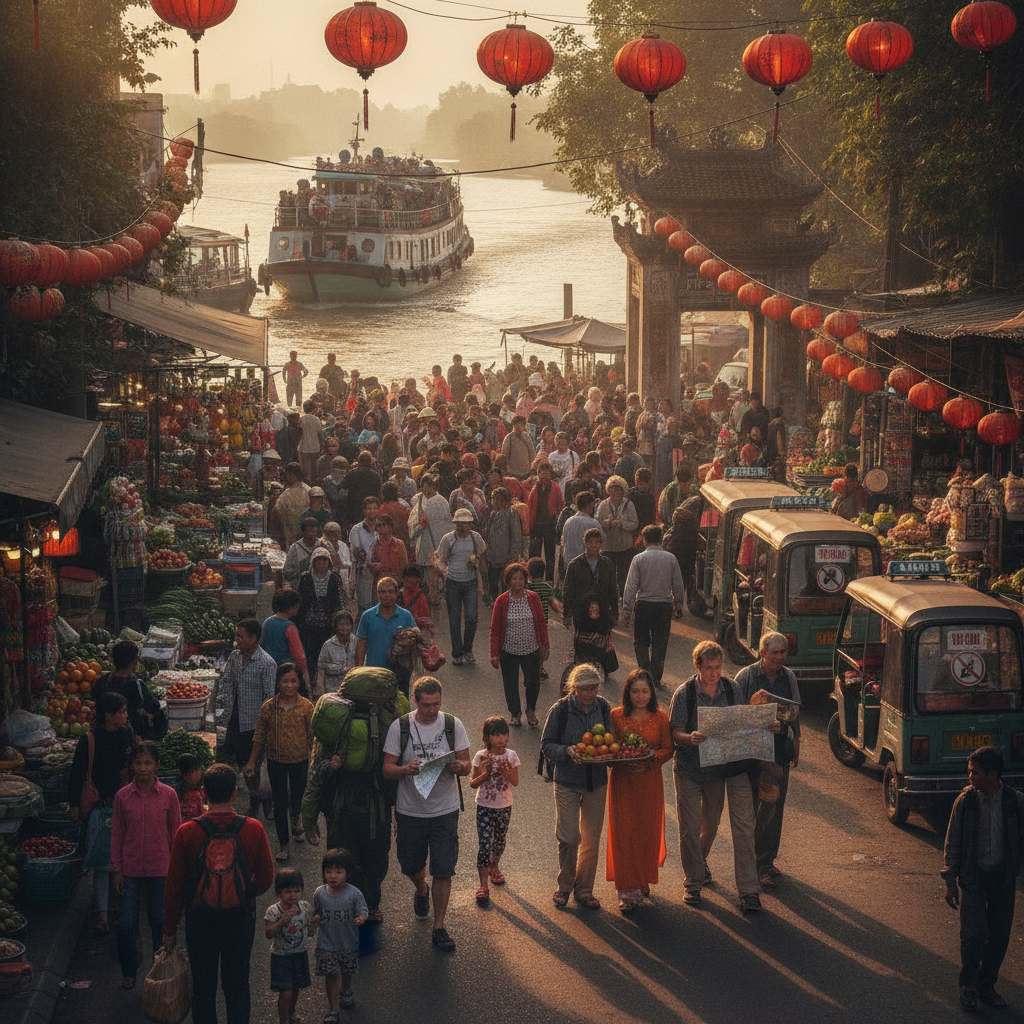
Timing a trip around public holidays in Southeast Asia reshapes the entire travel experience in ways that go far beyond a crowded street or a closed museum. The region's calendar is dense with religious observances, national commemorations, and cultural festivals — each carrying its own economic and logistical ripple effect across cities like Bangkok, Hanoi, Kuala Lumpur, and Ho Chi Minh City. Travelers who arrive without accounting for these dates often encounter a fundamentally different version of the destination than they anticipated, for better or worse.
How Accommodation Prices Shift Around Major Observances
Hotel and guesthouse rates across Southeast Asia respond sharply to local public holidays, particularly during multi-day national events. During Tet in Vietnam, the Songkran festival in Thailand, or Hari Raya Aidilfitri across Malaysia and Indonesia, accommodation prices in popular urban centers can climb significantly in the weeks leading up to and immediately following the holiday. Booking platforms like Agoda and Booking.com often reflect this surge well in advance, with properties near city centers or temple districts filling fastest. Travelers who plan several months ahead typically secure better rates, while last-minute arrivals in peak windows frequently pay a premium for limited inventory.
The Pressure Public Holidays Place on Ground Transport
Local transport networks feel the impact of public holidays immediately and visibly. Bus stations in cities like Chiang Mai or Hội An become overwhelmed as domestic travelers return to their hometowns in the days before major festivals, reducing available seats on intercity routes that international visitors also rely on. Train services operated by networks like the State Railway of Thailand or Vietnam Railways tend to sell out well before the holiday window opens. Ride-hailing apps including Grab show longer wait times and surge pricing in dense urban zones, particularly around transit hubs, markets, and ceremonial sites where local foot traffic peaks.
Which Cultural Attractions Remain Open — and Which Close Entirely
Perhaps the least anticipated disruption for visitors is discovering that some of the most iconic cultural sites operate on altered schedules during public holidays. Government-run museums, heritage sites, and administrative landmarks often close for multiple consecutive days during national commemorations. In Kuala Lumpur, several state-managed museums observe closures tied to Federal Territory Day or national independence observances. Conversely, Buddhist temples in Bangkok or Luang Prabang become extraordinarily active during religious holidays, welcoming visitors into ceremonies that are rarely accessible on ordinary travel days. The distinction between what closes and what opens wider is worth researching destination by destination.
The Unexpected Advantage of Traveling During Festival Periods
For travelers willing to plan carefully, arriving during a local public holiday unlocks cultural access that simply doesn't exist on quieter dates. Lantern festivals, royal barge processions, and street ceremonies tied to Vesak or Chinese New Year transform city centers into immersive experiences with genuine local participation rather than staged performances. The Thien Hau Temple district in Ho Chi Minh City during Lunar New Year, or the candlelit streets of Hội An's monthly lantern festival, represent the kind of encounter that can define an entire trip. These events draw locals celebrating their own traditions, which gives the experience a weight and authenticity that peak tourist-season visits rarely replicate.
How Prices and Availability Behave in the Days After a Holiday
The period immediately following a major public holiday often brings its own complications. Transport availability tightens as returning domestic travelers compete with tourists for seats on outbound routes. Markets and restaurants in residential neighborhoods may reopen gradually rather than all at once, particularly in cities like Phnom Penh or Vientiane where family-run businesses close for several days around Buddhist new year celebrations. Accommodation prices in some destinations remain elevated for several days post-holiday before normalizing. Travelers who build flexibility into their schedule during these windows tend to absorb the disruption more comfortably than those with rigid onward connections.
Planning Your Visit Around the Holiday Calendar Without Losing Spontaneity
If you're organizing a trip to Southeast Asia, cross-referencing your travel dates with the holiday calendars of each country you plan to visit is one of the most useful steps you can take before confirming any bookings. Apps like Google Calendar and TripIt allow you to overlay public holiday data by country, making it easier to spot conflict dates early. Booking accommodation and intercity transport at least six to eight weeks ahead of any major observance offers the best combination of availability and pricing. If your dates overlap with a festival you haven't planned around, treat it as the main event rather than an obstacle — adjust your itinerary to center the experience rather than compete with it.
Traveling during local public holidays in Southeast Asian cities isn't inherently better or worse than visiting at quieter times — it's simply a different kind of trip. Prices climb, transport tightens, and some venues close, but cultural depth opens in ways that no amount of guidebook research can fully replicate. The travelers who handle these conditions best are those who plan early, stay flexible, and approach the holiday not as interference with their itinerary but as the itinerary itself.