Cruise lines move their ships twice a year, and the passengers who understand this pattern cross entire oceans for remarkably little money. Repositioning cruises — sailings that transfer a vessel from one home port to another as seasons shift — aren't marketed with the same fanfare as Caribbean or Mediterranean packages, but they represent one of the most undervalued opportunities in long-haul travel. For travelers willing to work around fixed departure windows and one-way logistics, these sailings offer an experience that standard itineraries simply can't replicate.
What Repositioning Cruises Actually Are
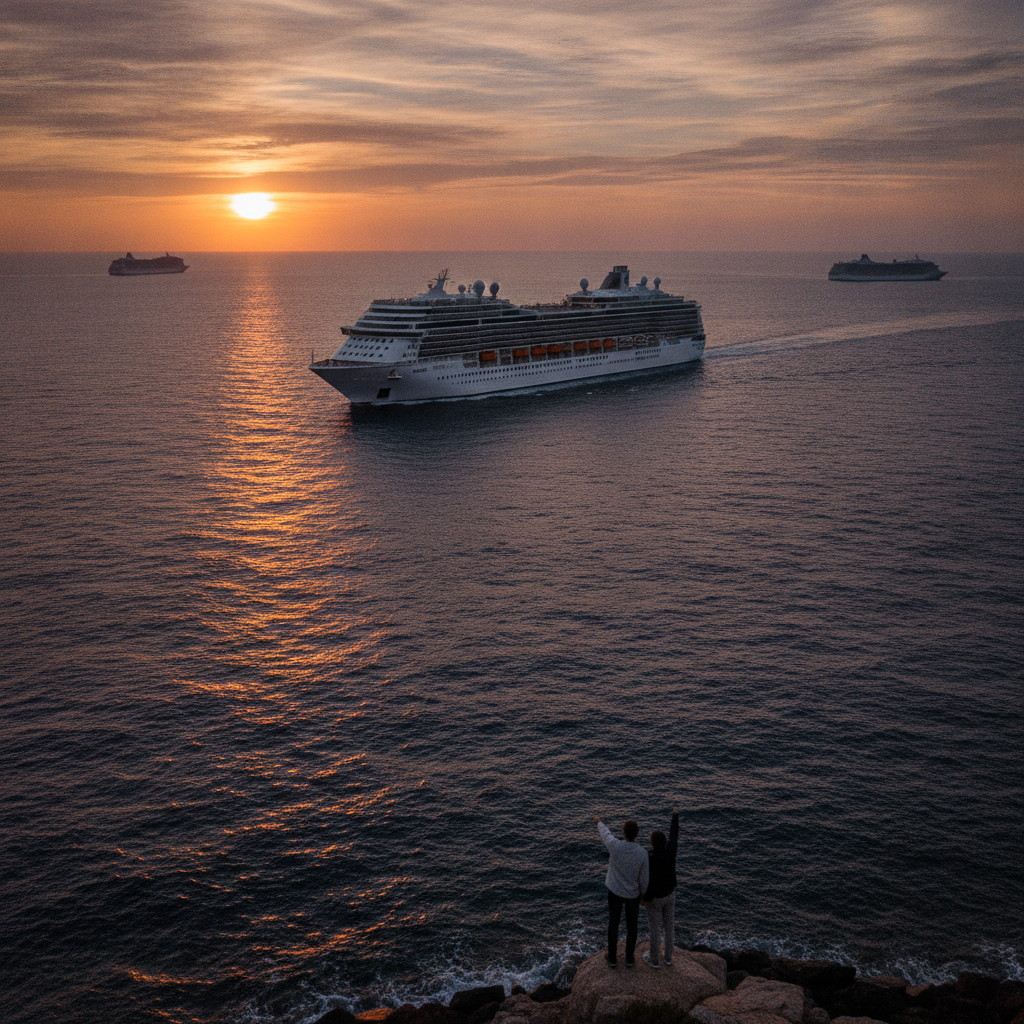
Twice a year, cruise lines relocate their fleets to align with seasonal demand. As European summers wind down, ships that spent months sailing the Mediterranean reposition westward to the Caribbean for the winter season. In spring, that process reverses. Similarly, vessels in Alaska or the Pacific Northwest move toward warmer waters as summer ends. These transits — crossing the Atlantic or Pacific to reach a new home port — are sold as passenger sailings rather than empty freight runs. The result is a legitimate ocean crossing at pricing that often reflects the logistical necessity rather than leisure demand.
Why the Fares Drop So Significantly
The economics behind repositioning fares are straightforward. Cruise lines need to move the ships regardless of occupancy, so filling cabins at reduced rates is better than sailing partially empty. There's also less competition for these dates — repositioning windows are narrow, usually falling in April through May or October through November, which are shoulder periods for most leisure travelers. Companies like Holland America, Cunard, and Norwegian Cruise Line regularly offer transatlantic repositioning sailings where per-night cabin rates fall well below what comparable nights at sea would cost on a standard itinerary.
The Ports and Routes Worth Knowing
The most common transatlantic repositioning routes connect Southampton or Barcelona to Fort Lauderdale or New York, with stops that vary by ship. Cunard's Queen Mary 2 runs scheduled transatlantic crossings that sometimes overlap with repositioning timing, while Royal Caribbean and Celebrity Cruises frequently move ships through the Azores, Madeira, or Bermuda on eastbound or westbound crossings. Transpacific repositioning routes connect Hawaii, Vancouver, or San Francisco to ports in Japan, Australia, or Sydney, with Holland America and Princess Cruises appearing consistently in this space. These aren't short sailings — crossings typically run ten to eighteen days.
The Trade-Offs That Come With the Price
Repositioning sailings aren't structured like standard cruises. Sea days dominate the itinerary, with fewer port stops than a typical Mediterranean or Caribbean sailing. Entertainment and dining are fully operational, but passengers who prefer constant port activity may find the pace slow. The one-way nature of the crossing also means travelers need to arrange separate transport home, which adds cost and planning complexity. Booking a transatlantic repositioning cruise from Barcelona to Fort Lauderdale, for instance, means either booking a return flight or combining the sailing with a broader trip — both options that require more coordination than a round-trip itinerary.
How Timing and Flexibility Shape the Deal
Repositioning fares tend to be released alongside regular itinerary schedules, often twelve to eighteen months in advance. The best pricing windows appear either very early — when lines release inventory to fill the calendar — or close to departure, when unsold cabins get discounted further. Booking through cruise-focused agencies that specialize in last-minute inventory, or monitoring lines like Cunard and Norwegian directly, tends to surface better deals than generic travel platforms. For solo travelers, some lines have begun reducing or eliminating single supplements on repositioning sailings, making the value proposition even stronger for those traveling alone.
Making the Logistics Work in Your Favor
If you're considering a repositioning cruise, the planning process works best when you treat the one-way crossing as an anchor, then build the rest of the trip around it. Book the sailing first, then decide whether to fly into the departure city a few days early or arrange return travel from the arrival port. Factor in the length of sea days — ten to eighteen days at sea is a significant commitment, and it suits travelers who genuinely enjoy the pace of ocean crossings. Use the extended sea time as a feature rather than a drawback: many passengers find the uninterrupted stretches ideal for reading, working remotely where connectivity allows, or simply resetting before or after a longer trip. Research the specific ship's onboard programming before booking, as older vessels sometimes have less entertainment infrastructure than newer builds.
Repositioning cruises are likely to remain a quiet opportunity as long as seasonal fleet movements continue to shape how cruise lines manage their ships. As more travelers become aware of the model, availability on the most popular routes may tighten, particularly for sailings with appealing port stops. The core value, however, is durable — ocean crossings require ships to move, and passenger fares will continue to reflect that reality. For those who plan with enough flexibility to accommodate one-way travel and extended sea days, few options deliver a comparable distance at a comparable price.