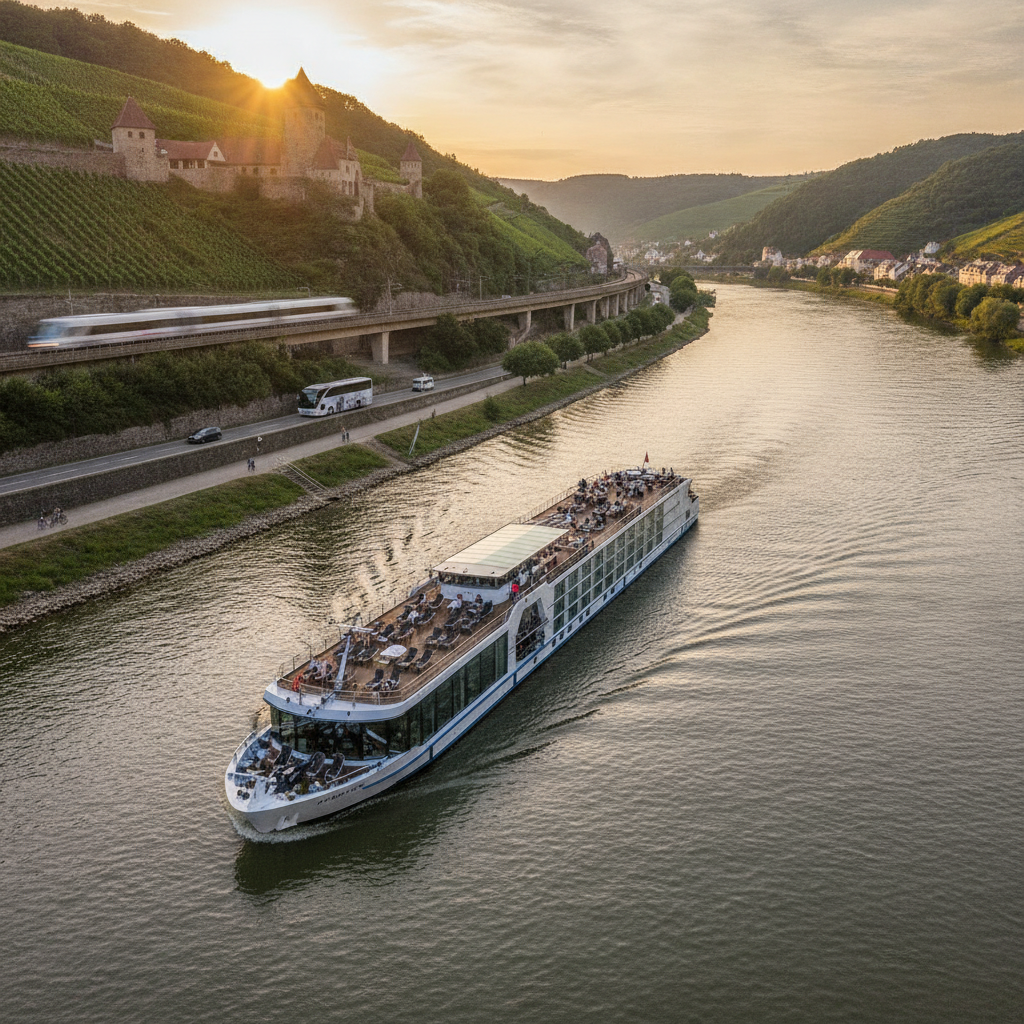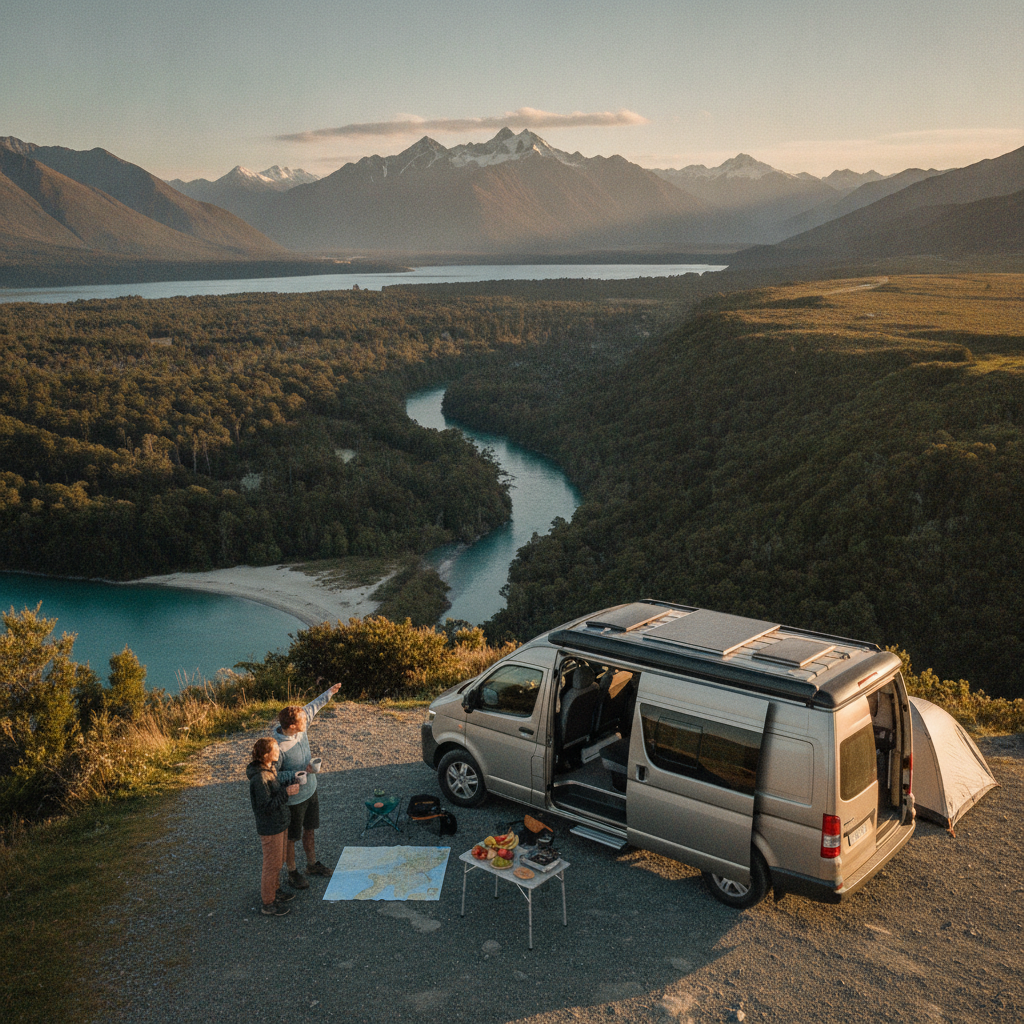
There is a particular kind of traveler who arrives in New Zealand with a neatly printed hotel itinerary and leaves quietly wondering whether they ever really saw the place at all. The country resists the packaged version of itself. Its most extraordinary moments — a dawn mist hanging over Lake Tekapo, a deserted beach on the Coromandel Peninsula, the silence of a mountain pass after rain — are almost entirely inaccessible to someone tethered to check-in times and fixed addresses. The campervan, by contrast, is a mode of travel that the landscape seems to have anticipated. It removes the friction between impulse and experience, and in doing so, it also quietly removes a significant portion of the cost.
The Real Economics of Life on the Road
The financial case for campervanning in New Zealand is more substantial than most first-time visitors expect. A mid-range hotel in Queenstown or Auckland can consume a disproportionate share of any travel budget, particularly during peak summer months from December through February. When accommodation is folded into the rental cost of the van itself, the daily spend often drops considerably — especially once meals are factored in. Cooking at a campsite using a van's built-in kitchen rather than eating at restaurants three times a day changes the arithmetic entirely. Campervan rental companies like Jucy and Wilderness Motorhomes offer a wide range of vehicles at different price points, and booking several weeks in advance typically brings the nightly rate down further. Campgrounds operated through the Department of Conservation, known locally as DOC sites, charge modest fees and are often positioned in settings that no hotel could replicate.
What makes this comparison genuinely interesting is how the savings compound across a two-week trip rather than appearing in a single line item. A hotel itinerary carries hidden costs that accumulate steadily — restaurant meals, taxis between accommodation and trailheads, tour fees for guided access to areas a van can simply park beside. The campervan collapses many of these categories. Gas is a real expense, and New Zealand's roads demand patience rather than speed, but the overall expenditure for two weeks in a well-chosen van consistently undercuts an equivalent hotel-based trip by a meaningful margin without requiring any sacrifice of comfort.
Freedom as a Feature, Not a Bonus
The deeper argument for campervanning in New Zealand isn't financial — it's experiential, and the two are harder to separate here than in most destinations. The country operates on what locals call the concept of *kaitiakitanga*, a Māori term meaning guardianship or stewardship of the natural world. This philosophy shapes how conservation land is managed, how freedom camping is regulated, and how the culture at large understands its relationship to the environment. Traveling by van naturally aligns a visitor with this ethic in a way that checking out of a hotel and joining a coach tour simply doesn't. The pace slows. Decisions become more deliberate. The landscape begins to feel less like a backdrop and more like the point.
Practically, the freedom a campervan affords is the freedom to respond to conditions rather than schedules. New Zealand's weather is famously changeable, particularly on the South Island. A hotel itinerary locked to specific towns on specific nights leaves little room to extend a stay somewhere extraordinary or move on quickly from somewhere that's been hammered by rain for two days. The van absorbs these adjustments naturally. The Milford Sound road, the Routeburn Track, the volcanic plateau around Tongariro — all of these reward flexibility. Arriving at Milford at five in the morning, before the tour buses, is a different experience from arriving at ten because the shuttle schedule demanded it.
What Two Weeks Actually Looks Like
A well-paced two-week campervan loop of the South Island — starting and ending in Christchurch, moving through the Mackenzie Basin, Queenstown, Fiordland, the West Coast, and back through Nelson — covers terrain that would require six or seven separate hotel bookings to match. Each of those bookings comes with its own check-in choreography, its own meal planning gap, its own logistical overhead. The van simplifies all of this into a single continuous experience where the transition between places is part of the journey rather than an interruption of it. Campgrounds along this route range from basic DOC clearings with fire pits and cold water to well-equipped sites with Wi-Fi, hot showers, and small camp kitchens — the latter sometimes running under the Holiday Parks network, which maintains consistent standards across the country.
The North Island offers a different but equally compelling circuit. The Coromandel Peninsula, Rotorua's geothermal landscape, Cape Reinga at the country's northern tip, and the volcanic drama of the central plateau all sit within reasonable driving distance when the schedule belongs to the traveler rather than a booking confirmation. Rotorua, in particular, benefits from a slower approach — the *powhiri*, or formal Māori welcome ceremony, and the cultural performances offered by local iwi (tribal groups) carry far more meaning when a visitor arrives with time to sit with what they've seen rather than rushing to the next thing.
Some of what a campervan trip teaches is simply the value of staying put. Two nights beside the same lake, cooking the same simple meals, watching the light change across the same ridge — this is the kind of experience that hotel itineraries structurally discourage but that New Zealand's landscape seems almost designed to provide. The country's beauty is not the kind that reveals itself in a single glance. It accumulates quietly, in the early mornings and the late evenings, in the hours when the organized tours have come and gone and the road belongs entirely to whoever decided to stay.
For those willing to trade the predictability of a fixed address for something less structured, the campervan offers a version of New Zealand that is both more affordable and more honest than the hotel circuit tends to allow. You end the two weeks not with a collection of checked boxes but with a genuine sense of having moved through a place rather than past it — which is, in the end, what most travelers are actually looking for when they book the flight.