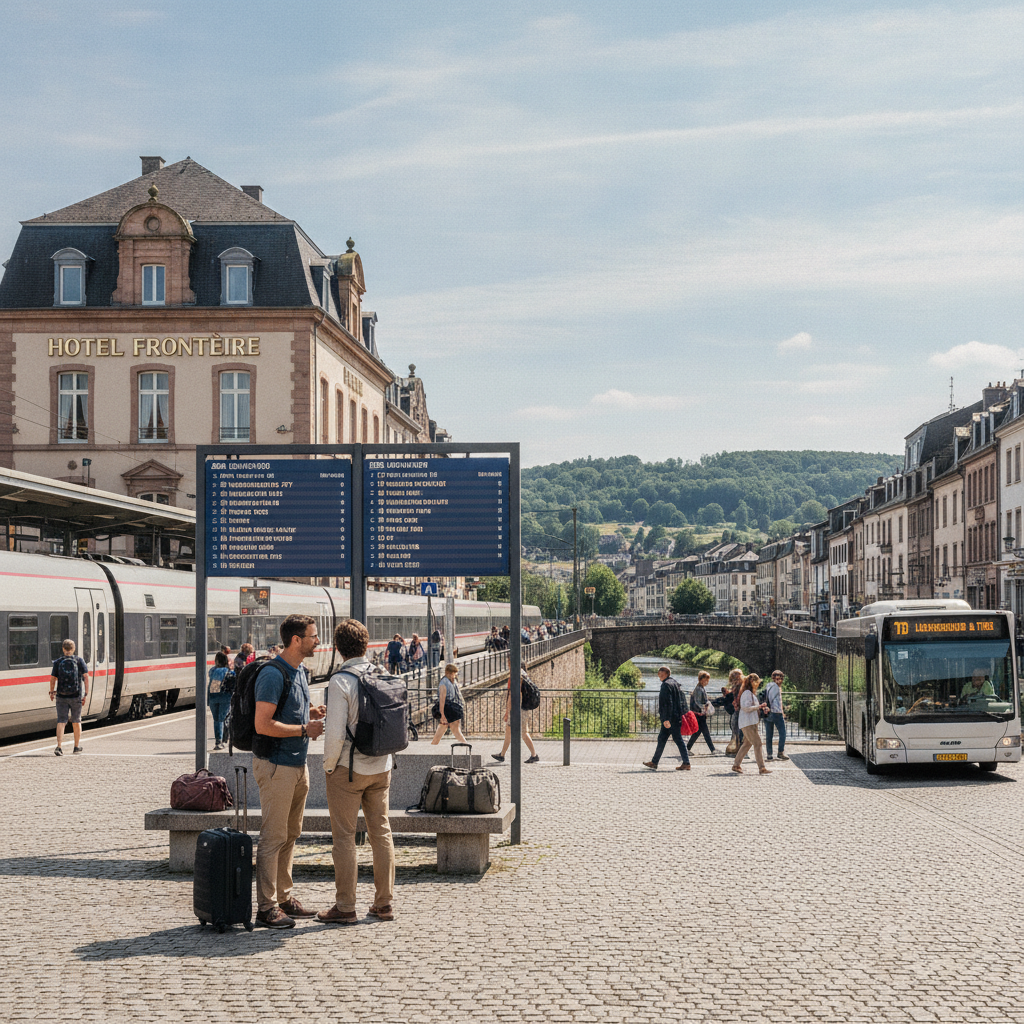
There's a particular kind of travel exhaustion that has nothing to do with distance. It comes from checking out of one place, dragging everything to a new country, checking in somewhere else, and repeating the whole cycle two days later. If you've ever tried to cover three neighboring countries in two weeks and spent half your energy managing your bags instead of actually experiencing anything, you already understand the problem. Border town stays fix this in a way that most standard itineraries never consider.
The logic is straightforward. Instead of moving your base every time you cross a border, you find a town that sits close enough to multiple countries that day trips handle the crossing for you. Your luggage stays put. Your accommodation stays booked. You travel light each day with just a daypack, and come back to the same bed at night. It sounds almost too simple, but the difference it makes to the quality of your trip is hard to overstate.
Choose a Town That Sits at the Intersection of Borders
The first move is identifying the right base, and not every border town qualifies. You want somewhere that puts two or more country crossings within a comfortable day-trip range — ideally two hours or less by bus, train, or shared taxi. Tripoint areas are especially useful. The region around where Austria, Slovakia, and Hungary converge near Bratislava is a classic example. San Ignacio in Belize puts Guatemala's Tikal within easy reach without requiring a full relocation. Do your geographic homework before committing.
Verify What Crossings Actually Look Like on the Ground
Border crossing conditions vary wildly and change more often than guidebooks reflect. Some crossings are open pedestrian walkways with minimal wait times. Others require private vehicles, specific transit hours, or documentation you might not expect. Before you build a base camp strategy around a particular town, spend time on recent traveler forums — Reddit's r/solotravel and TripAdvisor's destination forums are useful here — to get current crossing conditions from people who've done it recently. A crossing that sounds easy on paper can mean a two-hour queue in practice.
Pack Your Daypack Like It's Your Only Bag
The whole system only works if your day-trip setup is genuinely self-contained. When you leave your main luggage at your accommodation and cross a border, you may be gone for eight to twelve hours, possibly longer if transport runs late. Your daypack should carry your passport, a backup payment method, snacks, water, a phone charger, and a lightweight layer. Keep a printed or downloaded copy of your onward accommodation in case you need to show proof of plans at a border. Treating each day trip as a mini self-sufficient journey prevents small inconveniences from becoming real problems.
Lock In Flexible or Extended Accommodation Early
Base camp stays work best when your accommodation is booked for a block of nights upfront rather than one night at a time. Many guesthouses and budget hotels in border regions offer weekly rates that drop the nightly cost significantly. More importantly, having a confirmed multi-night booking means you don't have to negotiate your stay each time you return. Hostelworld and Booking.com both let you filter for properties with flexible cancellation, which gives you room to adjust if crossing conditions change unexpectedly or you want an extra night somewhere else.
Use Shared Transport Over Private Options Where You Can
In regions popular with overlanders — Central America, the Balkans, Southeast Asia's land borders — shared minivans and collectivos handle cross-border routes daily and are priced for repeat use. These services know the crossings well, often have guides who handle the paperwork queues, and drop you close to where you actually want to be on the other side. Private taxis to the same border will cost several times more without offering meaningfully better results. For base camp travel, where you're crossing the same general route multiple times in a week, shared transport keeps your daily costs predictable.
Keep Your Main Bag Secured, Not Just Left Behind
Leaving luggage at a guesthouse while you're out for the day requires basic trust in your accommodation, but you can make that trust more practical. A small TSA-approved cable lock through your bag's zippers deters casual access. Keeping your most critical documents — backup passport copies, travel insurance details, emergency contacts — in your daypack rather than your main bag means a worst-case scenario at the guesthouse doesn't also wipe out your ability to handle it. Most guesthouses in border regions are accustomed to guests leaving bags for the day, and many have dedicated storage.
Build at Least One Buffer Day Into the Base Camp Window
Crossings get delayed. Buses run late. Sometimes a place on the other side is more interesting than expected and you want an extra hour. If your base camp stay is exactly as long as your planned day trips require, there's no room for any of this. Adding one buffer day to your booking — a day with no border crossing planned — keeps the whole structure from becoming rigid. Use it to explore the base town itself, catch up on rest, or extend a day trip you enjoyed more than expected. The towns that work best as base camps usually have their own character worth spending time in anyway.
Treat the Base Town as Part of the Trip, Not Just a Logistical Node
This is easy to overlook when you're focused on the crossings. The border towns that make the best base camps tend to have their own history built around the fact that they've sat between cultures for generations. Puerto Maldonado in Peru sits near the Bolivian border and has its own Amazon ecosystem worth exploring. Gevgelija in North Macedonia puts Greece's Thessaloniki within reach while offering a genuinely interesting local market culture. Spending an evening in the base town rather than just treating it as a place to sleep adds texture to the overall trip that no amount of border crossing can replicate.
The base camp model is gaining real traction among independent travelers who want to cover more ground without losing the depth that comes from slowing down. As land border infrastructure improves across regions like the Western Balkans and Central America, and as more accommodation platforms surface properties specifically designed for multi-night stays in transit hubs, this approach is likely to become a much more deliberate part of how people plan ambitious multi-country trips. The logistics already exist. It mostly comes down to organizing your thinking before you go.